
Process / OEM / ODM
How to Order Custom Uniforms Without Surprises
A smooth uniform project turns visual preferences into a versioned specification, approves a physical sample, and carries that reference through bulk production and inspection.
Six Steps from Brief to Delivery
1. Define the brief
List wearer roles, garment types, estimated quantities by style and size, destination, target date, and reference images or samples.
2. Align materials and design
Review fabric direction, colour, fit, construction, branding, labels, and any role-specific wear or care requirements.
3. Record the specification
Document measurement points, artwork and placement, trims, approved options, open questions, and the version being sampled.
4. Review a physical sample
Check fabric hand, fit, movement, construction, and branding on the garment. Record changes and approve the final reference before bulk production.
5. Produce and inspect
Bulk production follows the approved sample. Agree the measurement tolerances, workmanship checks and defect criteria before production starts.
6. Confirm packing and delivery
Agree size and quantity reconciliation, labels, packing, destination, delivery method, and the records needed for a future reorder.
Turn Design Ideas into Sample Notes
Useful design packs show the garment from the views needed for approval and label each decision that could otherwise be interpreted differently. A drawing or mockup communicates intent; the physical sample confirms the fabric, fit, construction, and actual branding.
| Detail to specify | Examples to discuss | What to check on the sample |
|---|---|---|
| Front opening and collar | Placket or closure layout, collar shape, button type, and button spacing | Alignment, fastening, comfort at the neck, and appearance when worn |
| Cuffs and sleeves | Cuff shape, opening, adjustability, and sleeve length | Movement, closure security, and the approved sleeve measurement |
| Branding | Logo artwork, embroidery or print method, dimensions, and placement | Position on the actual garment, legibility, colour, and finish |
| Outerwear function | Hood, zipper, pockets, cuff adjustment, and hem finish when relevant | Operation, access, movement, and any project-specific test evidence |
| Hospitality style | Button arrangement, contrast trim, pocket shape, or a directional placket | Whether the visual choice suits the role and remains practical in use |
Product References
Use these BERKAM product photographs to discuss silhouette, fabric appearance, and construction questions. They are visual references rather than a substitute for a project-specific sample.
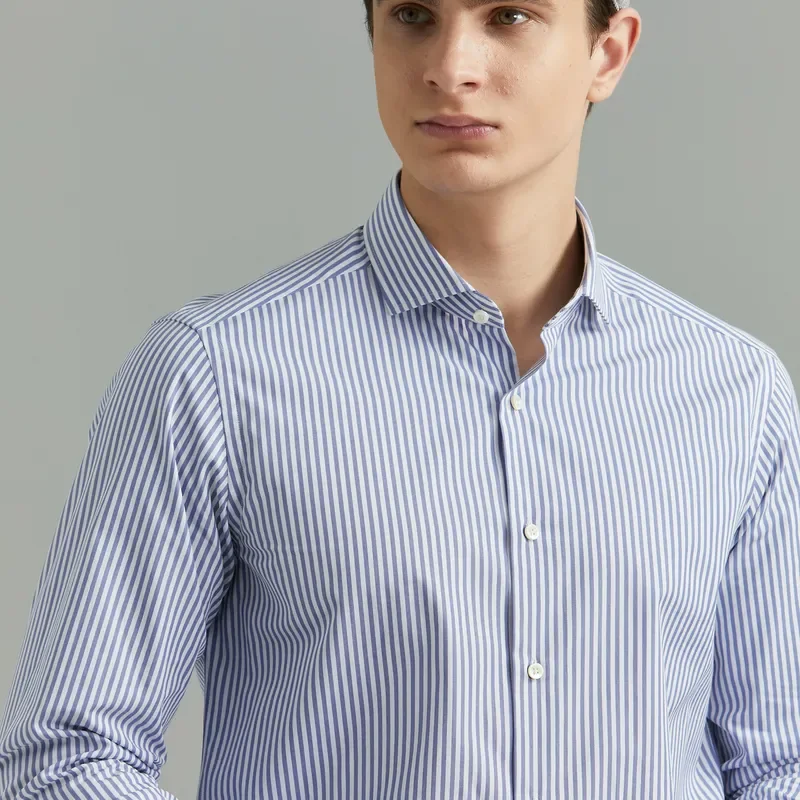
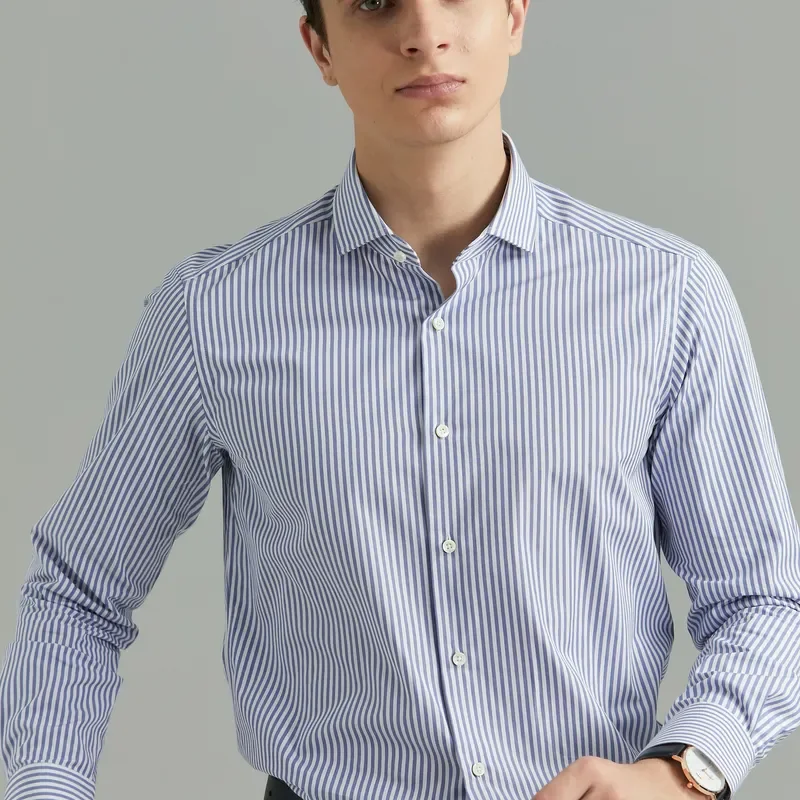
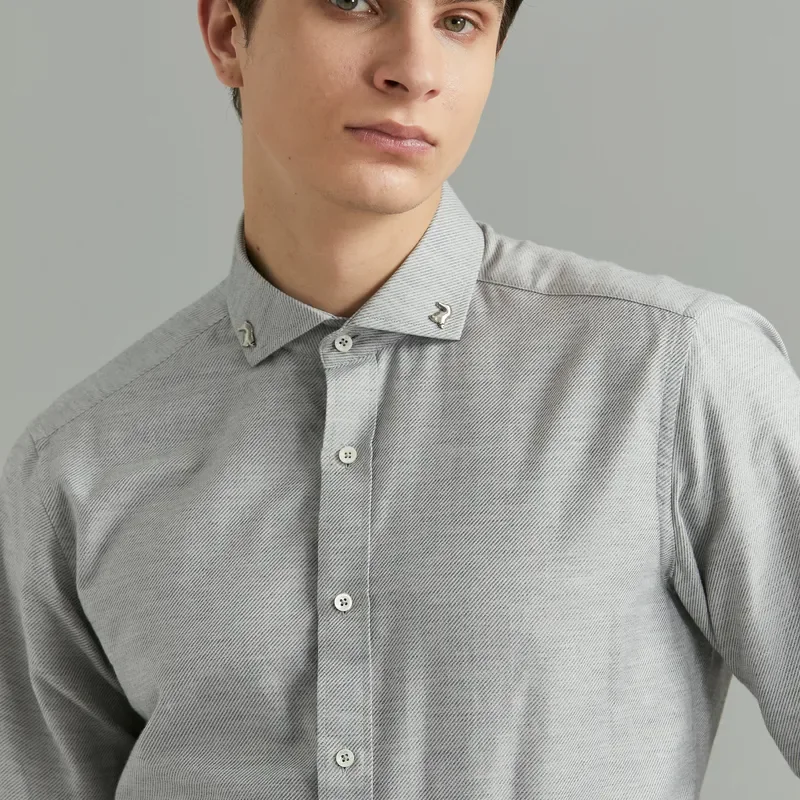
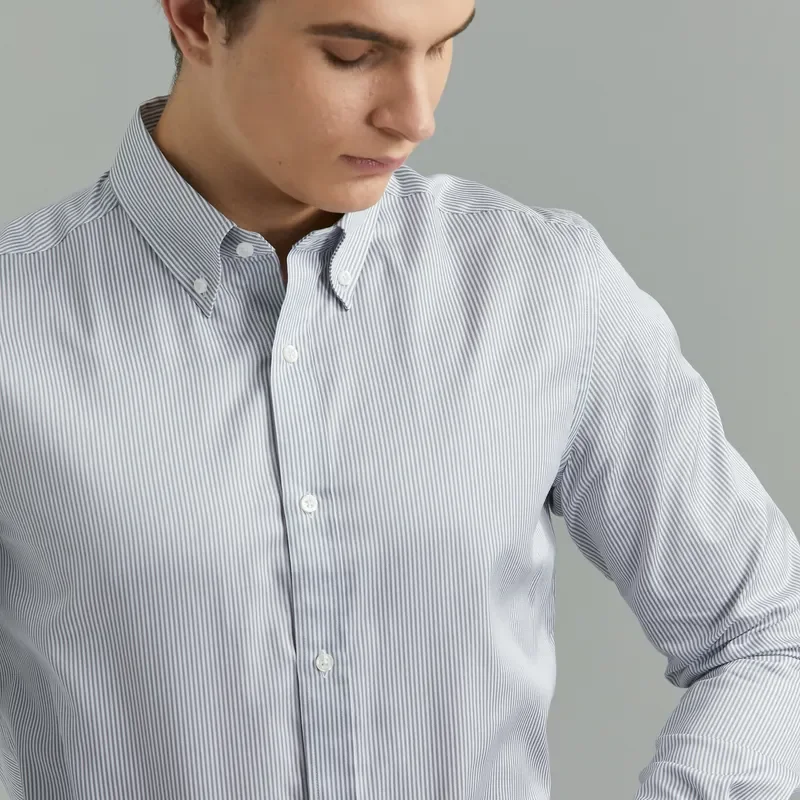
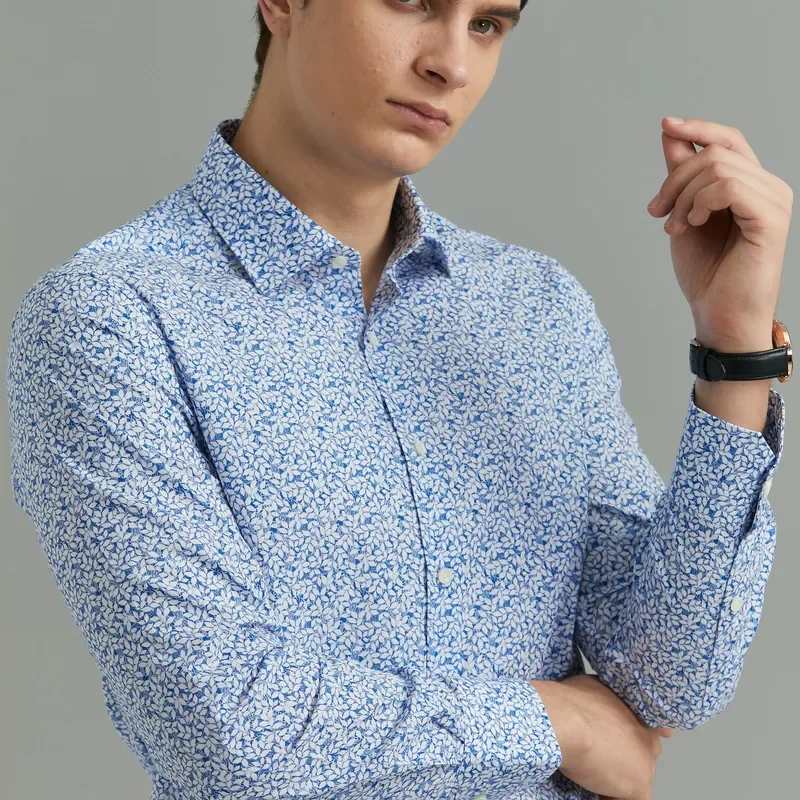
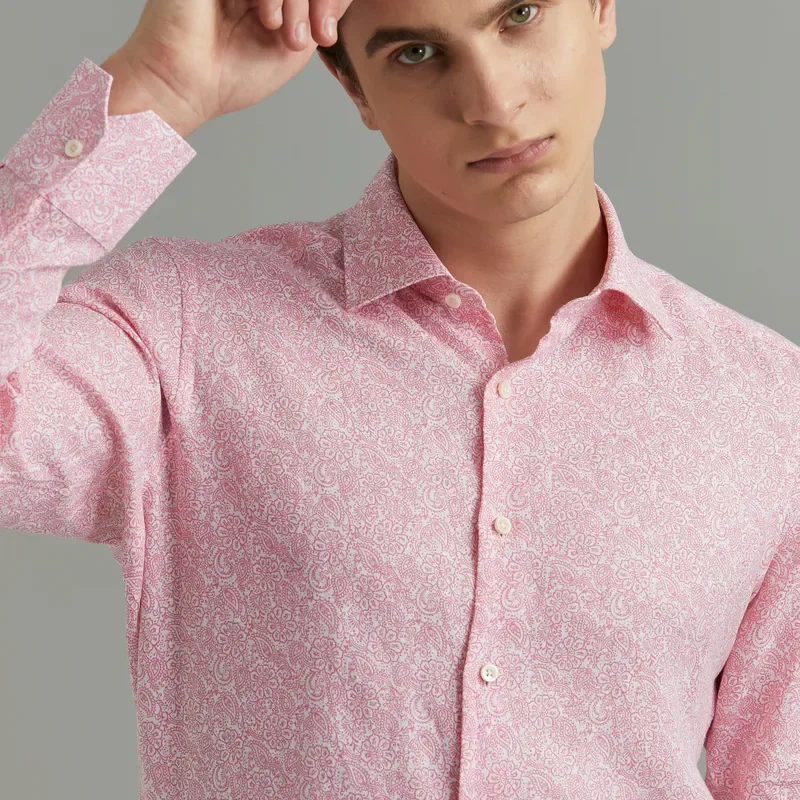
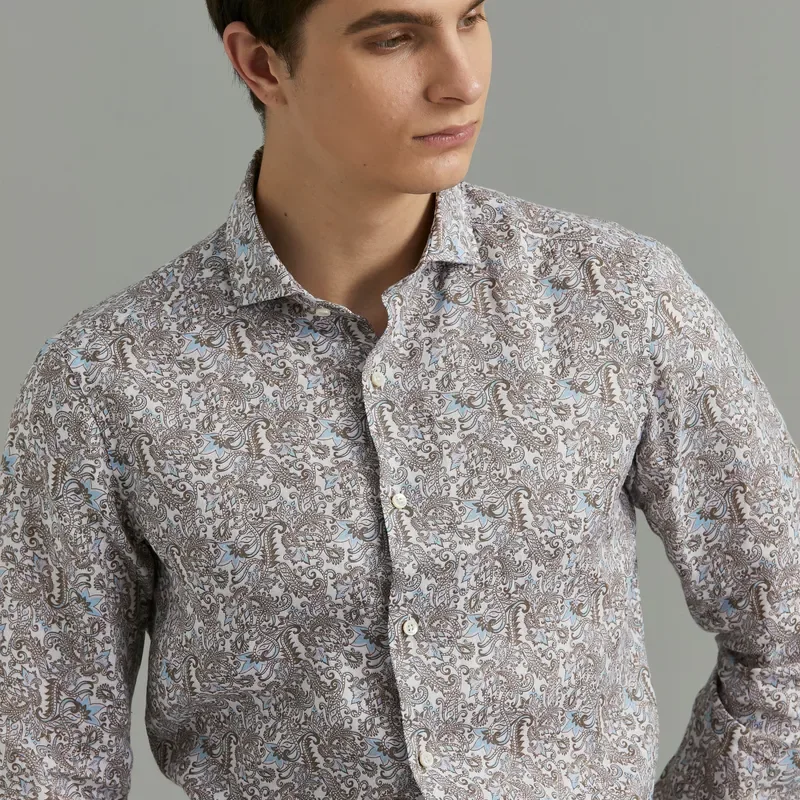
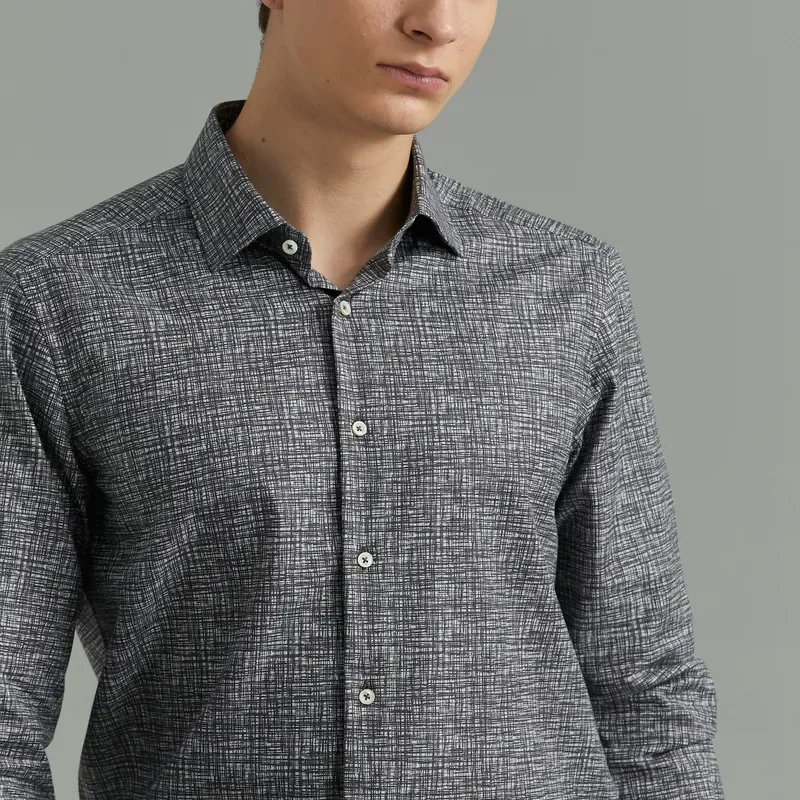
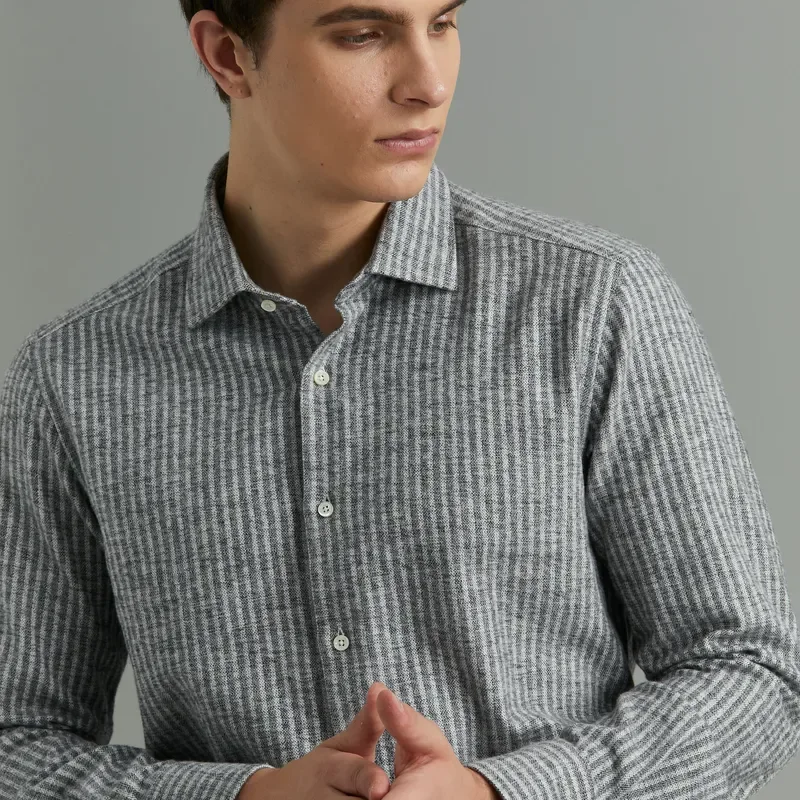
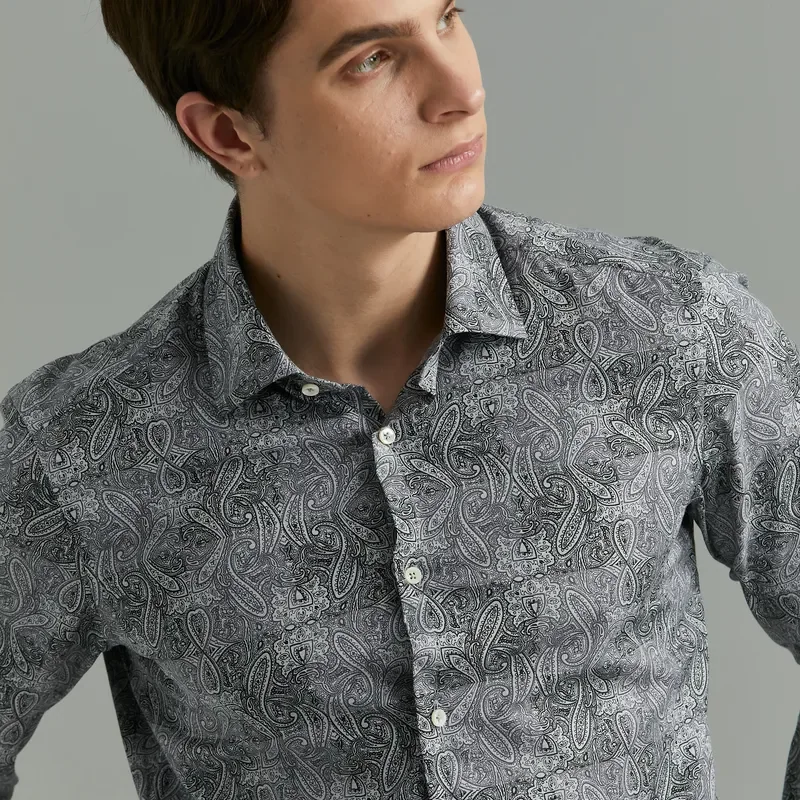
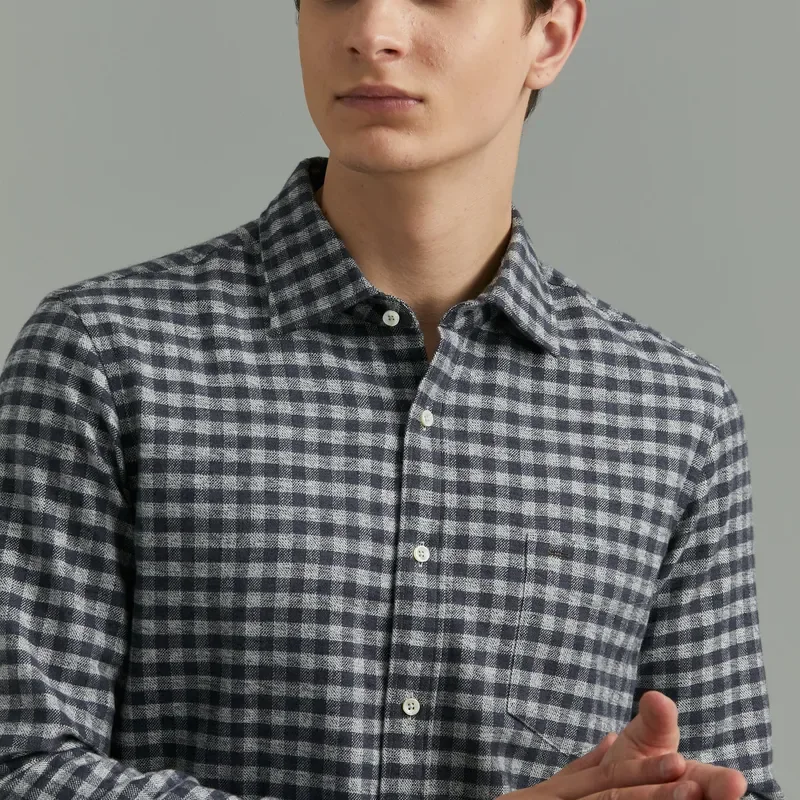
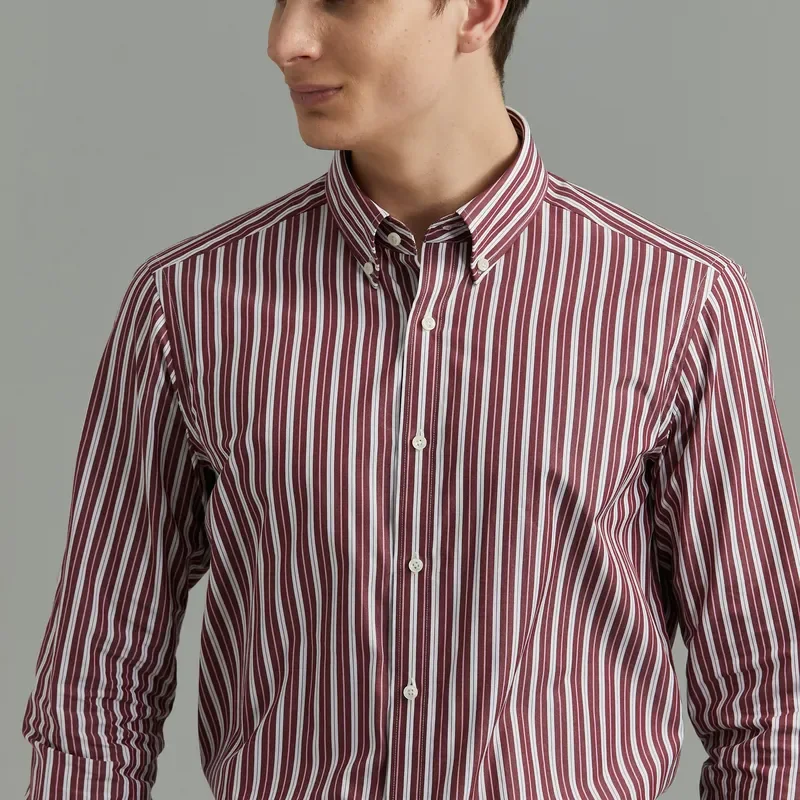
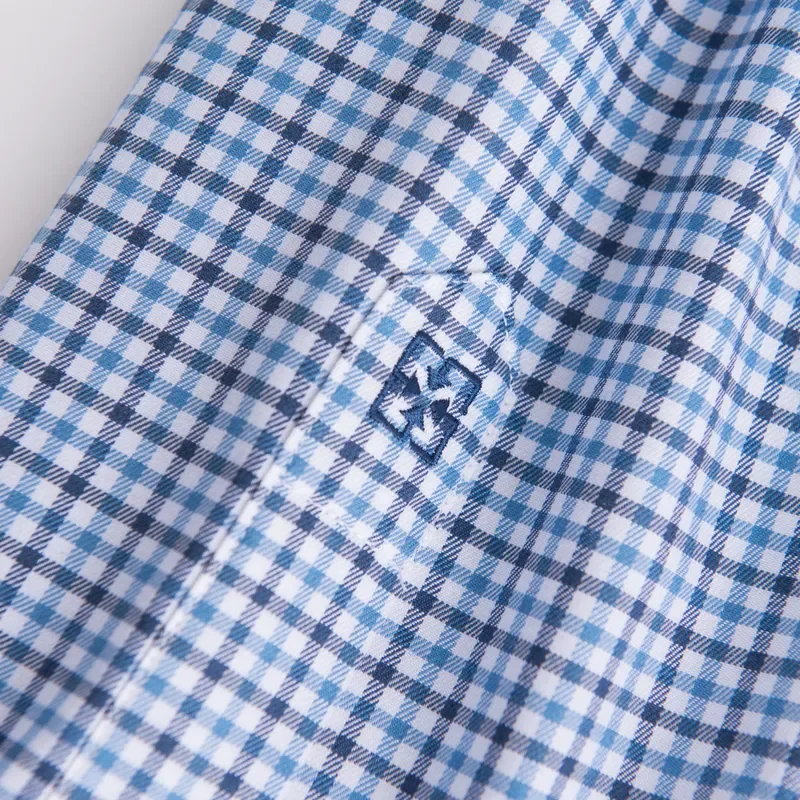
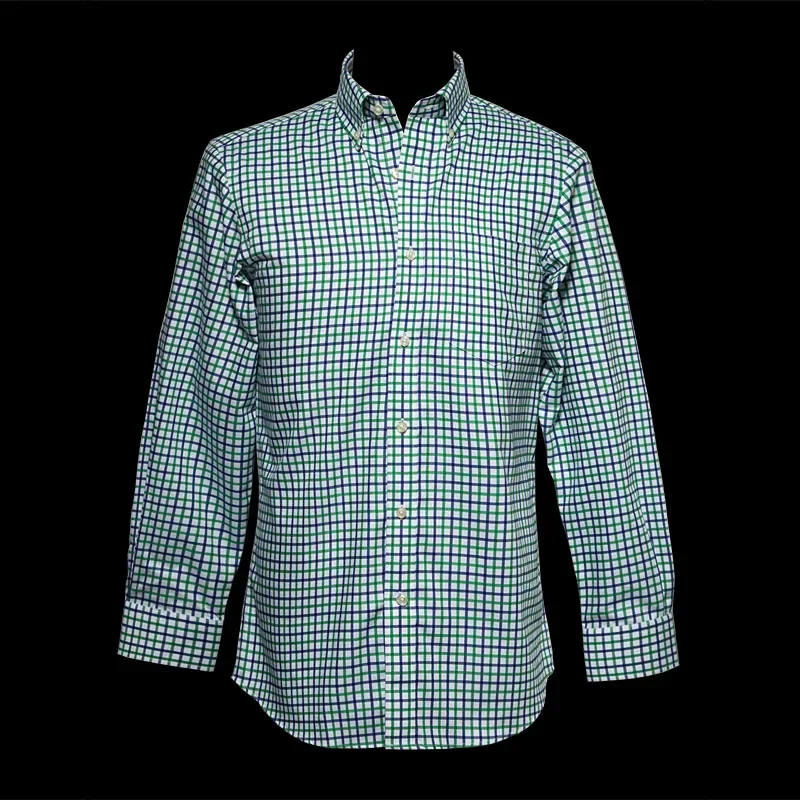
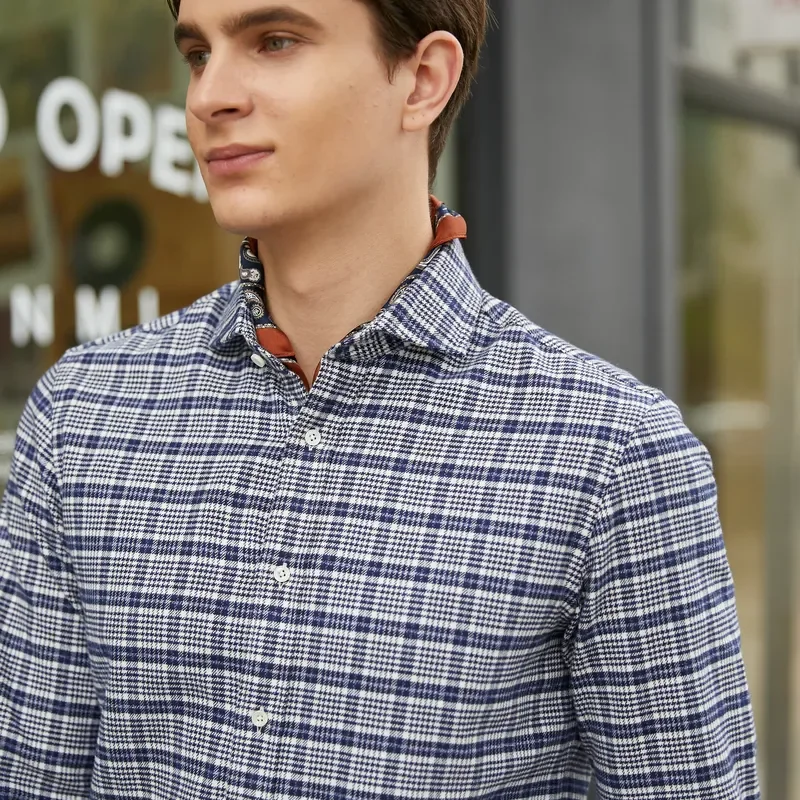
These are design decisions to evaluate, not standard features on every BERKAM garment. Availability, feasibility, and performance evidence are confirmed against the selected product and project.
Keep a Clear Approval Trail
- Save the dated sample approval and the matching specification version.
- Keep fabric, colour, trim, care-label, and logo references together.
- Record each requested change and who approved it before production.
- Confirm measurement tolerances, inspection scope, defect handling, and packing requirements in writing.
- For a reorder, compare material availability and any proposed changes before repeating the order.
For a deeper buyer checklist, read the uniform design and sample approval guide, then review hotel uniform planning or aviation uniform planning.
OEM and ODM at a Glance
| Model | Starting point | Buyer and supplier decisions |
|---|---|---|
| OEM | Buyer’s design, sample, or specification | Confirm feasibility, sample changes, and the approved production standard. |
| ODM | Supplier design direction adapted to the brief | Agree what is selected, what is changed, and who approves each choice. |
Uniform Customization FAQ
No. Use a mockup to align the intended appearance, then approve a physical sample for material, fit, construction, and branding before bulk production.
Include garment views, fabric and colour references, measurements, construction and trim notes, logo artwork and placement, labels, and the version being approved.
Not automatically. Confirm feasibility, material availability, project terms, and any required performance evidence for the chosen garment before sample approval.
Ready to define a uniform project?
Send the role list, product mix, quantities by size, brand files, reference images, destination, and target date for a project review.
Submit Your Requirements