
Short answer: a custom uniform design is ready for bulk production when the garment details are written down, the physical sample matches the approved specification, and changes are recorded against a clear version. A drawing or mockup communicates the idea; the sample confirms the actual fabric, fit, construction, and branding.
This guide is for procurement, HR, operations, and brand teams developing shirts, suits, workwear, hospitality uniforms, or coordinated outerwear. The examples below are specification questions, not a claim that every feature is available on every product.
Build a design pack that answers the production questions
A useful uniform specification pack gives the buyer and manufacturer one shared reference. Include the garment views needed to understand the design, a version date, and callouts for details that could otherwise be interpreted more than one way.
- Garment views: front and back, plus side or inside views where construction matters.
- Materials: fabric reference or composition, colour standard, lining, trims, buttons, and care-label requirements.
- Fit and measurements: size range, body or finished-garment chart, points of measure, fit notes, and agreed tolerances.
- Branding: logo file, dimensions, placement, colour, and requested application method such as embroidery or print.
- Construction details: collar, placket, cuff, pocket, closure, seam, hem, and any role-specific requirements.
- Project controls: sample version, approver, open questions, target quantities by size, destination, and delivery window.
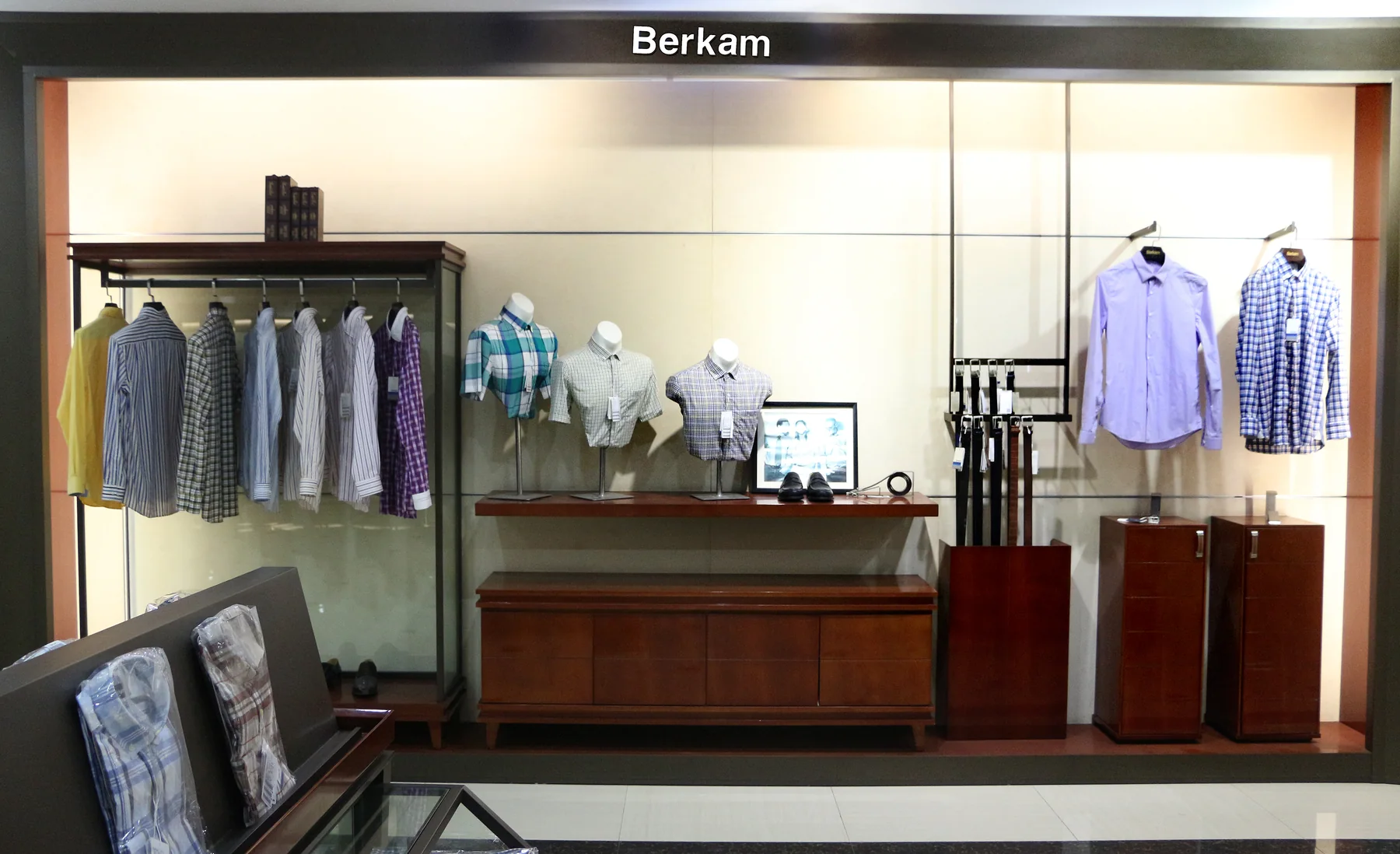
Use detail callouts for decisions that change the garment
| Garment area | Choices to describe | Sample review |
|---|---|---|
| Shirts and chef-style tops | Collar shape, straight or directional placket, button type and spacing, cuff shape, pocket, and logo position | Check fastening, alignment, fit at the neck and wrist, movement, and the approved logo location |
| Suits and service tailoring | Jacket and trouser fit, lapel, lining, vents, pockets, buttons, and coordinated shirt or accessory colours | Review silhouette, movement, proportions, material appearance, and how coordinated pieces look together |
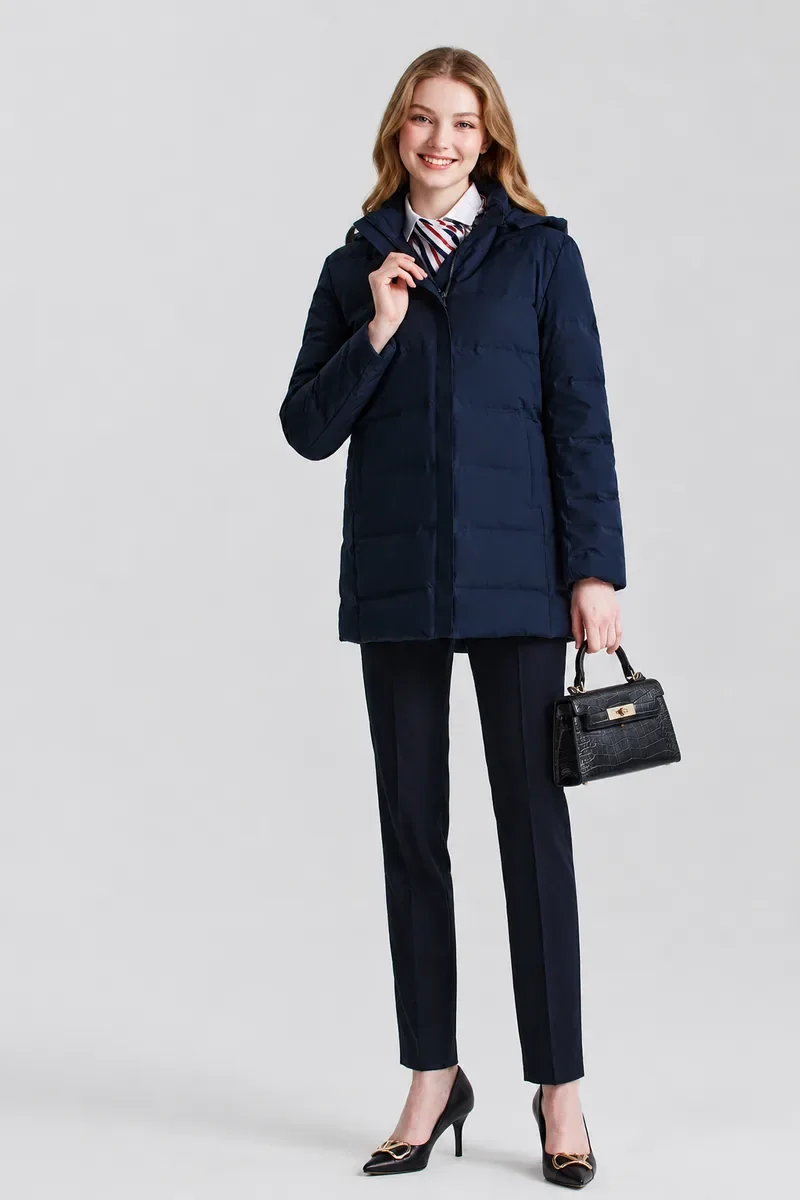
| Outerwear | Hood, zipper, pocket access, cuff adjustment, hem finish, lining, and branding | Operate each closure, test reach and movement, compare measurements, and request evidence for any performance claim |
A directional placket or a contrast button may be a distinctive design option for a hospitality garment. A hood, zipper, adjustable cuff, or hem detail may matter for workwear. Whether a detail is feasible depends on the selected product, materials, and project specification.
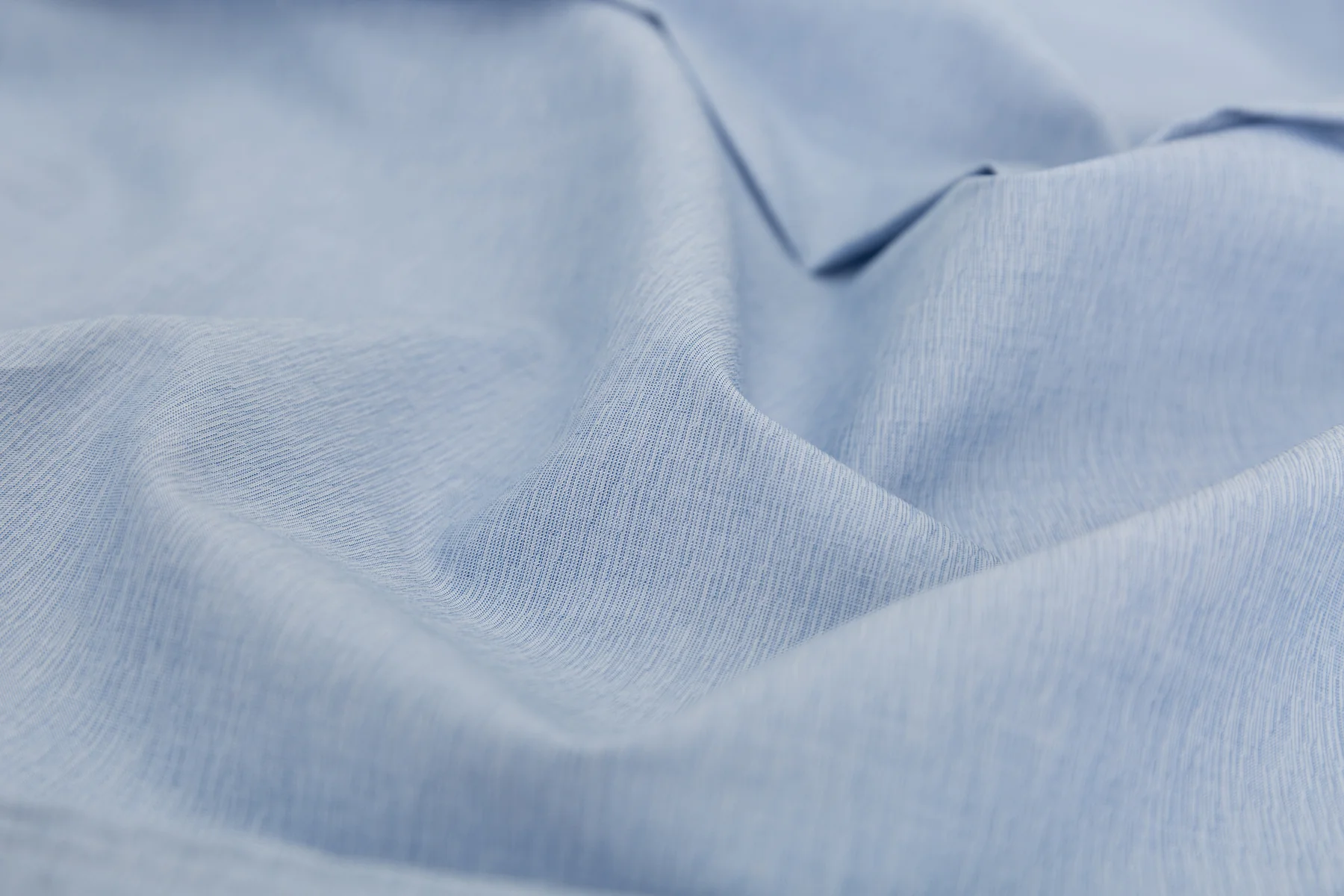
Approve the physical sample against the same version
Review the sample in a consistent order: confirm the fabric and colour reference; measure the agreed points; try the garment on representative wearers; check movement and layering; inspect construction and closures; then compare logo placement, labels, and packing notes. Record every requested change and distinguish a preference from a required correction.
After revisions, approve one final sample or specification version as the reference for bulk production. If a mockup and the physical sample differ, resolve the difference in writing before approval. Do not rely on a screen image to confirm fabric hand, exact colour, fit, or construction.
Example: turning a hospitality brief into an approval checklist
For an illustrative hotel or restaurant program, the buyer might compare a front-desk shirt with a kitchen jacket and decide which colour, logo treatment, and brand details should be shared. The kitchen garment can have its own closure, cuff, and movement requirements. The team records those differences in the specification, reviews a physical sample for each distinct garment, and approves the references before bulk production. This is a planning example, not a BERKAM customer case.
Keep the approval trail useful for repeat orders
Retain the approved sample photos, versioned measurement chart, fabric and colour references, trim and label details, logo files and dimensions, inspection notes, packing rules, and approved deviations. For a later order, reconfirm material availability and any proposed changes instead of assuming that a visual resemblance guarantees an identical result.
How BERKAM’s sample-first workflow fits
BERKAM’s product information describes fabric selection, physical sample approval before bulk production, bulk manufacturing, a 28-point QC process applied to every order, and global delivery options. It also lists more than 200 dress-shirt fabric options. Buyers should confirm the current fabric, construction choices, product-specific inspection checklist, MOQ, sample policy, and schedule for their own brief. Start with the uniform customization process, review hotel uniform planning or aviation uniform planning, and send a project specification for review.
Editorial scope: this guide is a buyer-side specification framework. It does not reproduce competitor posts, identify an undisclosed client, certify a garment, or guarantee that any optional detail is available for every order.
Questions buyers ask
What details should a custom uniform specification include?
Record garment views, fabric and colour references, measurements, fit notes, construction details, trims, logo artwork and placement, labels, packing requirements, and the version submitted for approval.
Can a uniform mockup replace a physical sample?
No. A mockup helps communicate the intended appearance, while a physical sample lets the buyer review the actual material, fit, construction, and branding before bulk production.
Which garment details should buyers check on a uniform sample?
Check the details that matter for the style and use: collar, placket, buttons, cuffs, pockets, closures, logo position, measurements, movement, and any specified care or performance requirement.
Are all design options available on every BERKAM garment?
No. Treat details such as directional plackets, special closures, trims, and logo methods as choices to review. Feasibility, material availability, and project terms are confirmed for the selected product.
What should be retained for a uniform reorder?
Keep the approved sample and specification version, size chart, fabric and colour references, trim details, logo files and placement, inspection records, packing rules, and approved change notes.