
Finance / Bank Uniforms
Custom Bank Uniforms for Tellers, Branch Managers & Staff
A bank uniform supplier needs to balance formal design, calm authority, and repeatable fit across every branch. That makes consistency more important than fashion movement.
Bank uniforms designed as a consistent branch system
Coordinate teller shirts, lobby suiting, branch-manager tailoring, and seasonal accessories around one approved palette, fit standard, and reorder reference.
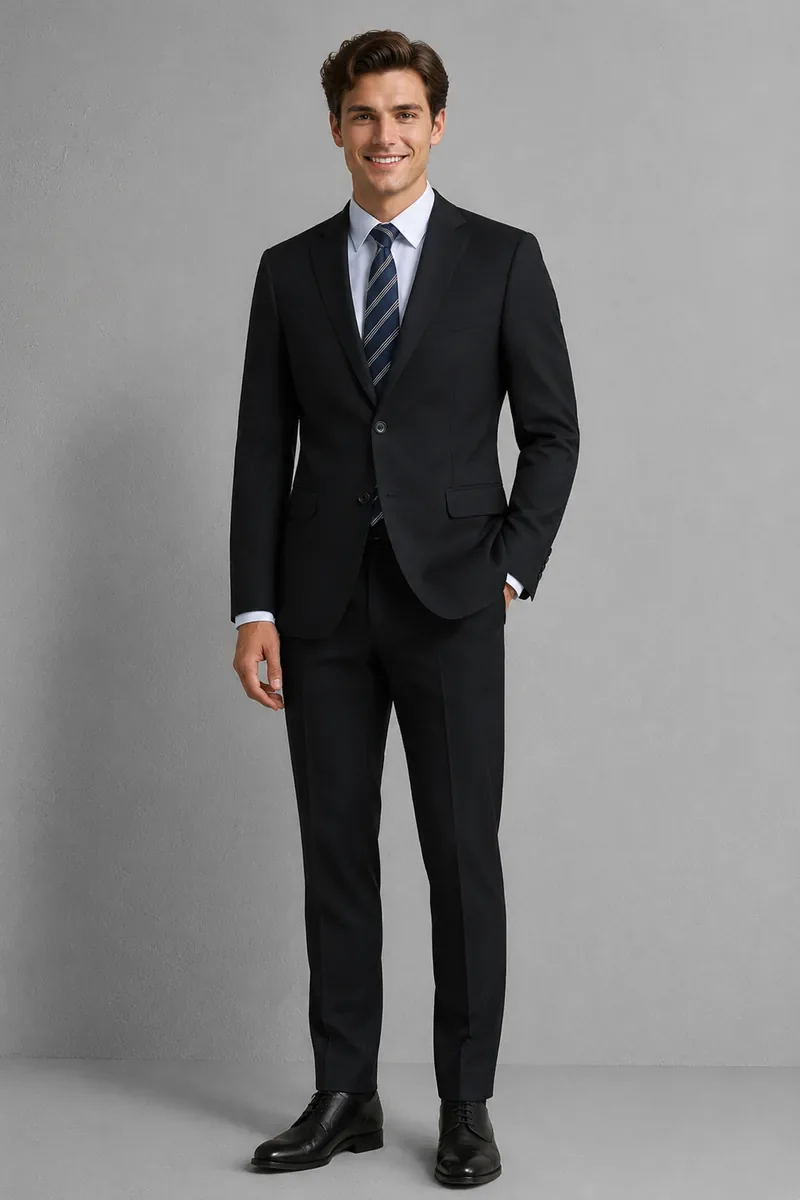
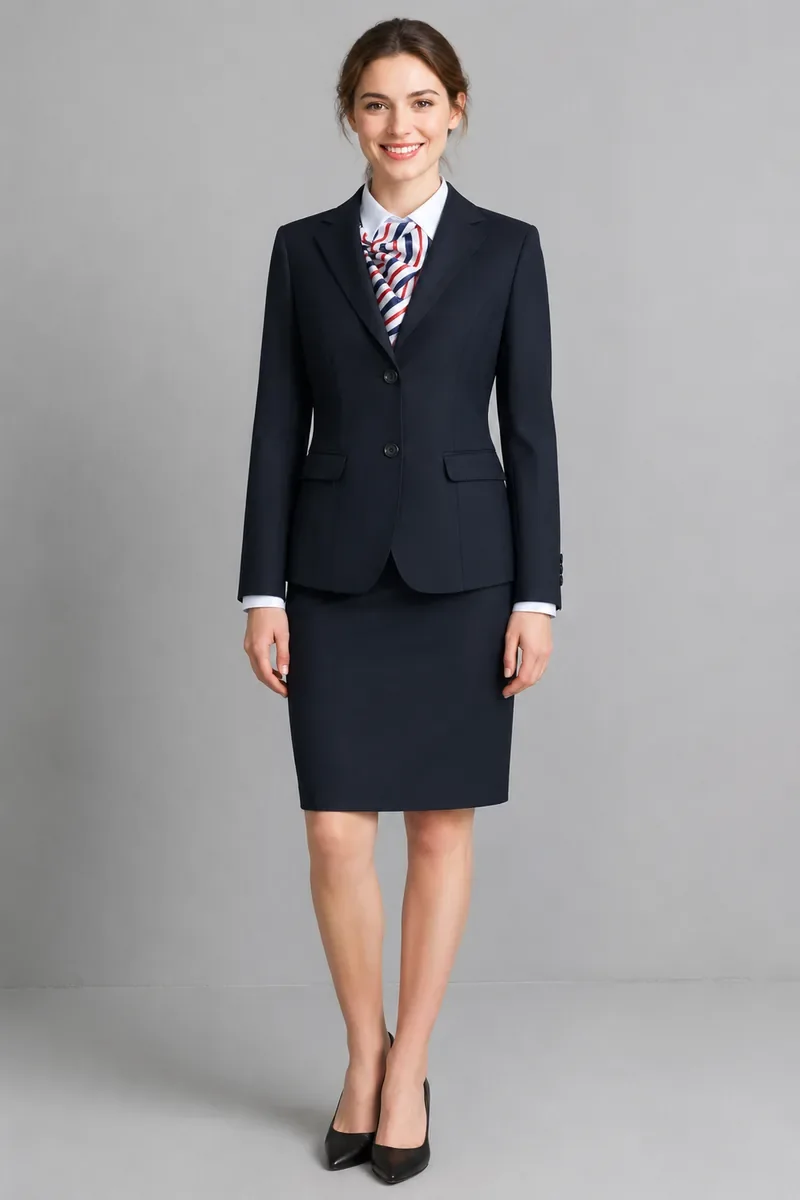
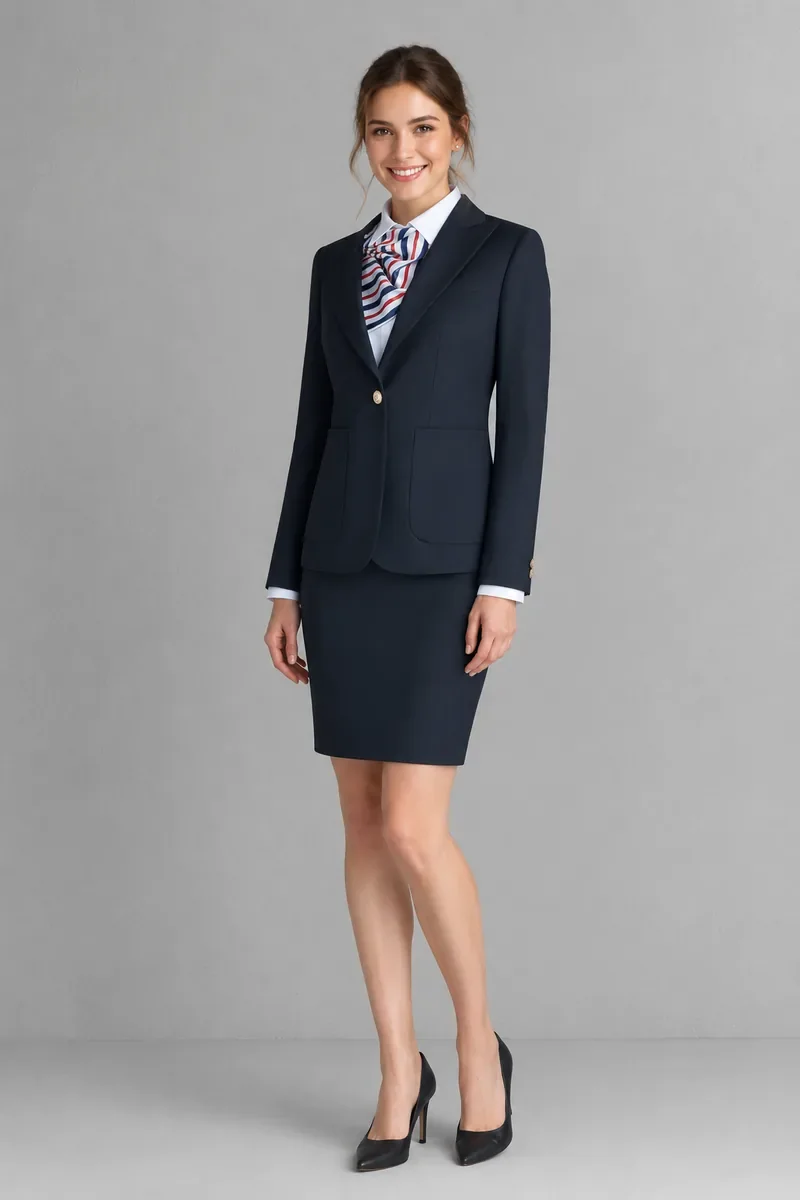
Product visuals are representative programme references; final fabric, color, accessories, fit blocks, and branding are confirmed through project sampling.
Request a Banking Uniform PlanQuick answer
- Roles covered
- Tellers, lobby managers, admin
- Common items
- Shirts, suits, vests, accessories
- MOQ
- Project-specific MOQ and lead time are confirmed after style, fabric, construction, quantity, and schedule review
- Lead time
- Project-specific MOQ and lead time are confirmed after style, fabric, construction, quantity, and schedule review
What Banking Buyers Are Really Purchasing
Orders placed in different cities and different seasons still need to read as one visual system.
Bank uniforms cannot feel loud or unstable. They need quiet authority and visual order.
Staff turnover and branch expansion are normal, so fabrics and trims need to support repeat orders.
What matters is how a whole teller line looks together, not how one sample looks on one model.
Scarves, ties, and badges should reinforce the brand without overwhelming the banking tone.
Many banks need shirts, knits, jackets, and suiting to work as one system across climates.
Bank Uniform Design for Multi-Branch Teams
Bank uniform design works best as a complete system: shirts, suits, scarves, ties, seasonal layers, and size standards should all reinforce the same branch identity. A supplier of banking staff uniforms should also preserve the approved fabric, trim, and fit references so new hires and future branches can reorder without visible drift.
Role and Product Matrix
| Role | Typical Items | Image Goal | Execution Priority |
|---|---|---|---|
| Tellers | Shirts, vests, light suiting | Orderly, professional, approachable | Durability and ease of care under daily wear |
| Lobby Managers | Suits, shirts, scarves or ties | Reception authority and brand clarity | Accessory color control and fit stability |
| Branch Supervisors | Formal suiting | Hierarchy and executive polish | Seasonal continuity and repeat-order control |
| Back Office/Admin | Shirts, knitwear, business casual layers | Stay aligned with the front line | Comfort, consistency, and commercial efficiency |
Safer Styling Logic for Banking Programs
- Stabilize the core front-line shirt system first, then decide where vests, knitwear, or suiting layers are genuinely needed.
- Management suiting should usually share the base palette with the teller line so expansion and replenishment stay controlled.
- Bank programs age best when color is restrained, trims are disciplined, and styling avoids unnecessary decoration.
- If branches span multiple climates, it is usually better to plan summer and transition layers from the beginning than to improvise later.
Control Points to Lock Before Bulk Production
- Which roles truly require full suiting and which can operate with shirts and lighter layering pieces.
- A single master standard for cloth shades, linings, buttons, and accessory colors.
- Whether the project must serve multiple climate zones or a single operating environment.
- A replenishment workflow for future branches and new hires before expansion accelerates.
Typical Project Snapshots
Head office usually defines the core palette and role hierarchy first, then branches convert in phases. The challenge is not the launch order alone, but making every later batch feel like the same original program.
Many banks want a more current image without losing restraint. The most reliable path is often better proportion, cleaner knit or jacket layering, and tighter accessory control rather than louder design features.
If northern and southern branches both need coverage, a single-season solution usually breaks down. Stronger programs plan shirts, knitwear, lighter outer layers, and formal pieces as one hierarchy from the start.
What to Prepare Before Requesting a Quote
| Input | Why It Matters | Minimum Useful Version |
|---|---|---|
| Role hierarchy | Defines which positions need full suiting and which can work with shirts or knit layers | A teller / lobby / management split |
| Branch count and city spread | Affects size coverage, climate layers, and replenishment logic | A rough list of markets or operating regions |
| Brand palette and current VI | Helps align shirts, accessories, and suiting systems without guesswork | A logo file, main colors, or current uniform reference |
| Budget and rollout pace | Determines whether the change happens in one wave or phased implementation | A target price range and timing window |
| Seasonal coverage | Changes whether the project needs shirts only, full suiting, or outer layers too | Single-season or year-round scope |
Bank Uniform Buying Checklist
- Separate the roles that need full formality from the roles that only need visual alignment.
- Treat branch expansion and repeat ordering as core requirements, not afterthoughts.
- Align shirts, suiting, and accessories as one visual system instead of separate decisions.
- If branches span climates, plan the layering strategy in the first round, not later.
- Judge success by consistency and repeatability, not by how luxurious one sample looks alone.
Typical Rollout Flow
Define the formality level for tellers, lobby staff, supervisors, and back office teams.
Confirm the main shades, accessories, and shirt-to-suit relationship before final sample rounds.
Most projects validate the front-line shirt system and management suiting first.
Set the standards for new branches and new hires before the rollout accelerates.
Bank Uniform FAQ
Not necessarily. Many mature programs reserve full suiting for management or premium service roles, while tellers and admin teams rely on shirts, knitwear, or lighter jacket layers.
Stability, sharpness, and ease of care are usually more important than luxury fiber content. For many banks, reliable suiting blends outperform higher-maintenance cloths in real operations.
The strongest systems keep a master sample, fabric references, accessory standards, and size matrices on file so every branch reorders from the same approved base.
Yes. BERKAM supplies custom banking staff uniforms with coordinated shirts, suits, accessories, size matrices, sampling, and repeat-order standards for multi-branch programs.
Need a branch-ready banking uniform system?
Send us the role structure, budget range, and branch count. We can help align shirts, suiting, and accessories into one controlled system.
Request a Banking Uniform Plan