
Short answer: to source corporate uniforms from China, prepare one clear brief, verify what the factory controls directly, review a physical sample, and agree on inspection, shipping, and reorder records before bulk production. Compare suppliers against the same specification so the quotation and sample can be evaluated on equal terms.
1. Define the programme before requesting quotes
List the wearer roles, garment types, estimated quantities by style and size, work conditions, brand colours, logo files, care requirements, destination, and target delivery dates. Separate confirmed requirements from options you want the factory to price. For a multi-site team, note how new employees and seasonal replacements will be handled.
2. Verify the factory’s role by garment category
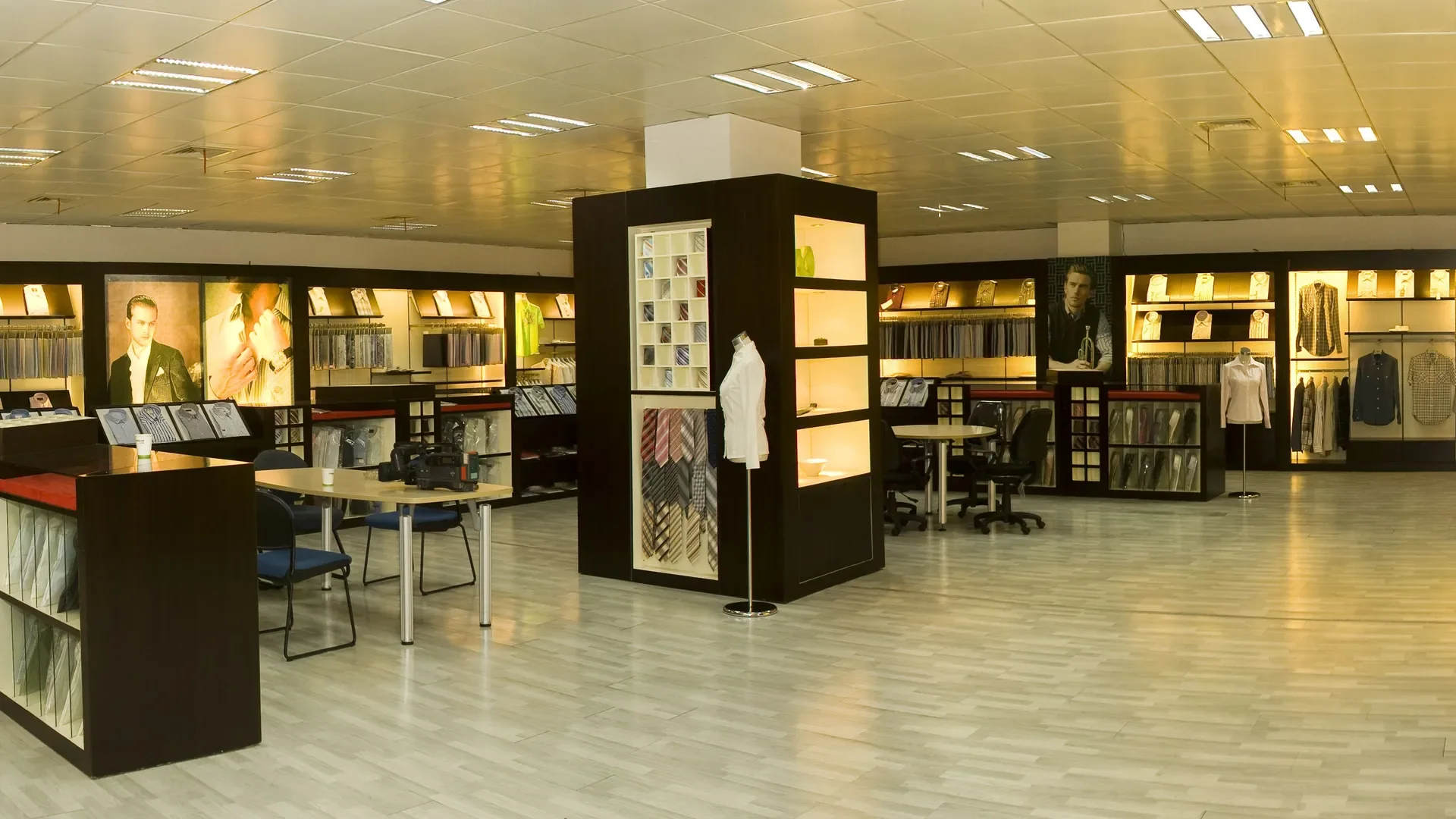
Ask which products the supplier manufactures and which stages it manages: fabric selection, pattern and fit, sampling, cutting and sewing, branding, inspection, packing, and shipment. Request a walk-through of the process for each category in your brief. If any work is subcontracted, ask which stage, who approves it, and who is responsible for quality issues.
3. Compare like-for-like specifications
| Specification | What to record | Why it matters |
|---|---|---|
| Garment and fit | Style, wearer role, reference sample, size chart, and fit notes | Prevents a quote from covering a different product or size mix |
| Fabric and colour | Composition or fabric reference, colour standard, lining, and care expectations | Gives the sample and future reorders a clear comparison point |
| Branding | Artwork, position, dimensions, and embroidery, print, or label method | Lets buyers approve the actual application on the selected material |
| Commercial scope | Quantity by style and size, sample charges, packing, shipping terms, and target dates | Makes supplier quotations comparable, including landed delivery assumptions |

4. Approve a physical sample before bulk production
Check fabric hand, colour, fit, movement, construction, branding placement, and care details on the sample. Record requested changes and approve a final reference version in writing. Do not treat a digital rendering or fabric swatch as approval of the finished garment.
5. Put quality checks and shipping terms in writing
Agree on what is inspected, when checks happen, which approved specification is used, how results are recorded, and how a non-conforming item is handled. Ask the supplier to provide the applicable inspection checklist and acceptance criteria. Compare shipping options such as sea, air, express, or DDP only after the destination and responsibilities are clear; delivery cost and timing depend on the project.
6. Keep a reorder file
Retain the approved sample and photos, measurement chart, fabric and colour references, trims, logo artwork, inspection notes, packing instructions, and size breakdown. Ask how the supplier will flag a material or specification change before a repeat order is made.
How BERKAM supports a China uniform sourcing project
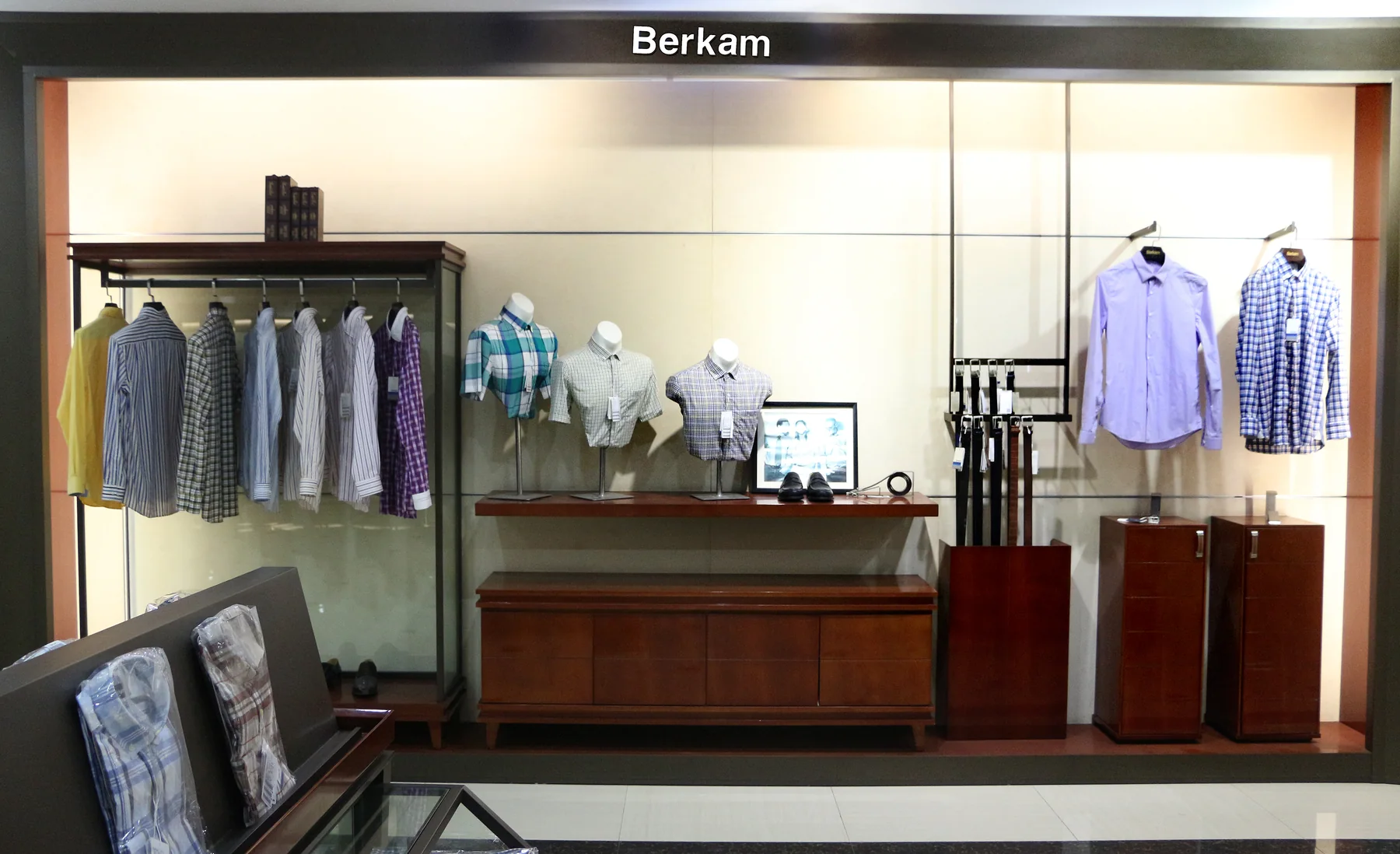
BERKAM is a Yiwu-based OEM/ODM manufacturer for corporate shirts, suits, and workwear. Its product information describes a workflow covering fabric selection, physical sampling, bulk production, quality inspection, and global delivery; it also lists more than 200 dress-shirt fabric options and a 28-point QC process. Confirm the available materials, applicable inspection checklist, minimum quantities, pricing, and delivery schedule against your actual brief. Explore BERKAM’s factory information, custom dress shirts, corporate workwear, and the sampling and customization process.
Editorial scope: this is a procurement framework, not a factory audit or a promise of project-specific price, capacity, or delivery time. Verify the final specification and commercial terms with the supplier.
Questions buyers ask
What should I prepare before contacting a uniform factory in China?
Prepare garment types, wearer roles, estimated quantities by style and size, reference images or samples, fabric and colour direction, logo files, delivery destination, and target dates.
Should a uniform sample be approved before bulk production?
Yes. Review and approve a physical sample against the agreed fabric, fit, construction, branding, and measurement specification before authorising bulk production.
How do I compare quotes from uniform manufacturers in China?
Compare the same garment specification, quantity and size mix, sample scope, branding, inspection plan, packing, shipping terms, delivery schedule, and reorder conditions.