
Enterprise shirt programs ordered in bulk from China succeed or fail based on three things: fabric consistency, size accuracy, and reorder match. Everything else is secondary.
Fabric — the decision that shapes everything downstream
Cotton-poly blends (60/40) are the default for most office and service teams — easy care, acceptable comfort, cost-effective. Full cotton reads better but requires more attention to ironing. Non-iron fabrics work well for hotel and retail operations where garments need to stay presentable through a full shift without pressing.
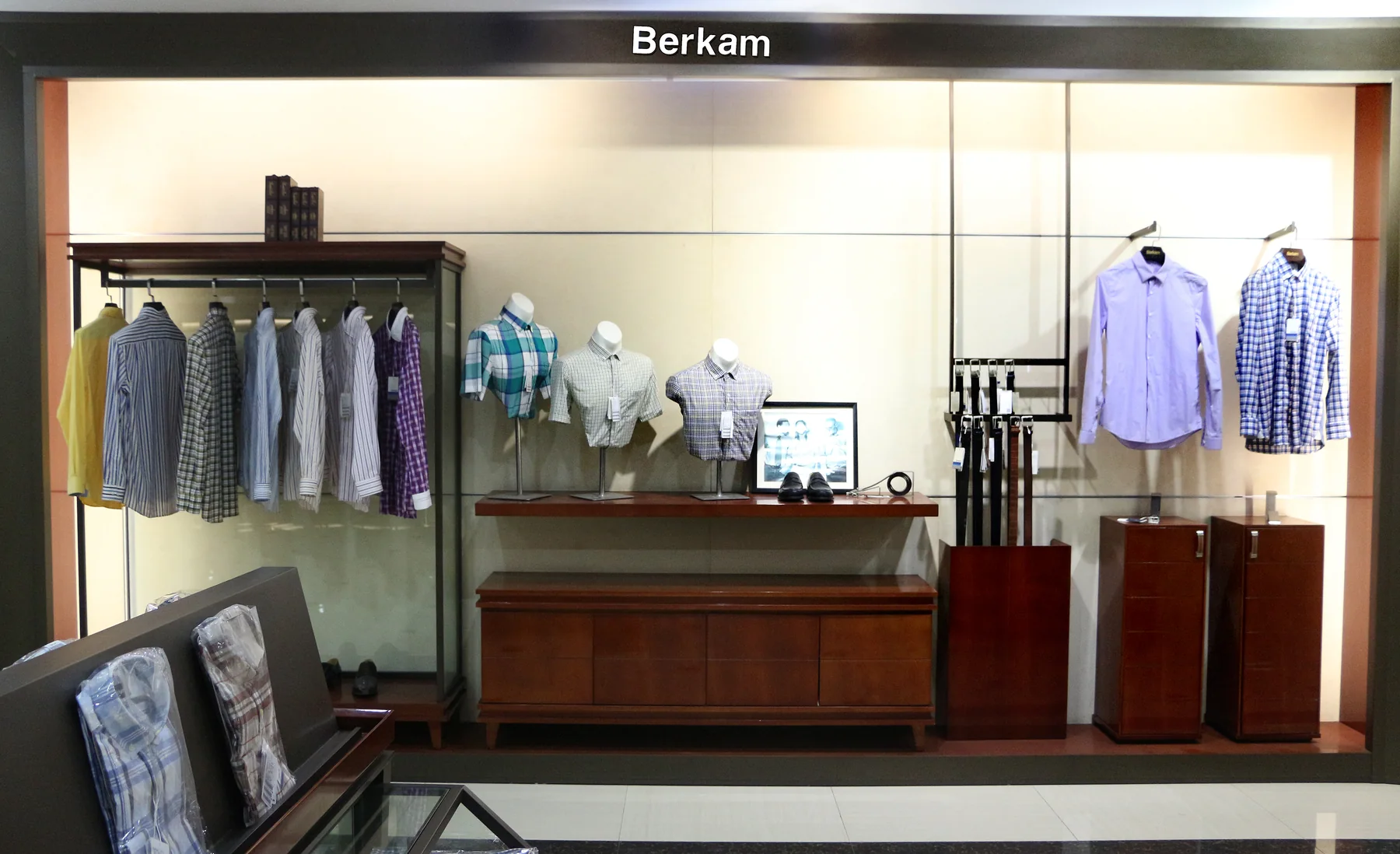
Collar and cuff programs
For enterprise programs, the collar choice is a brand decision as much as a comfort decision. A spread collar reads more contemporary; a point collar is more conservative. If teams wear ties, confirm the collar spread is compatible. Cuff style (single vs double) usually follows management-level protocols.
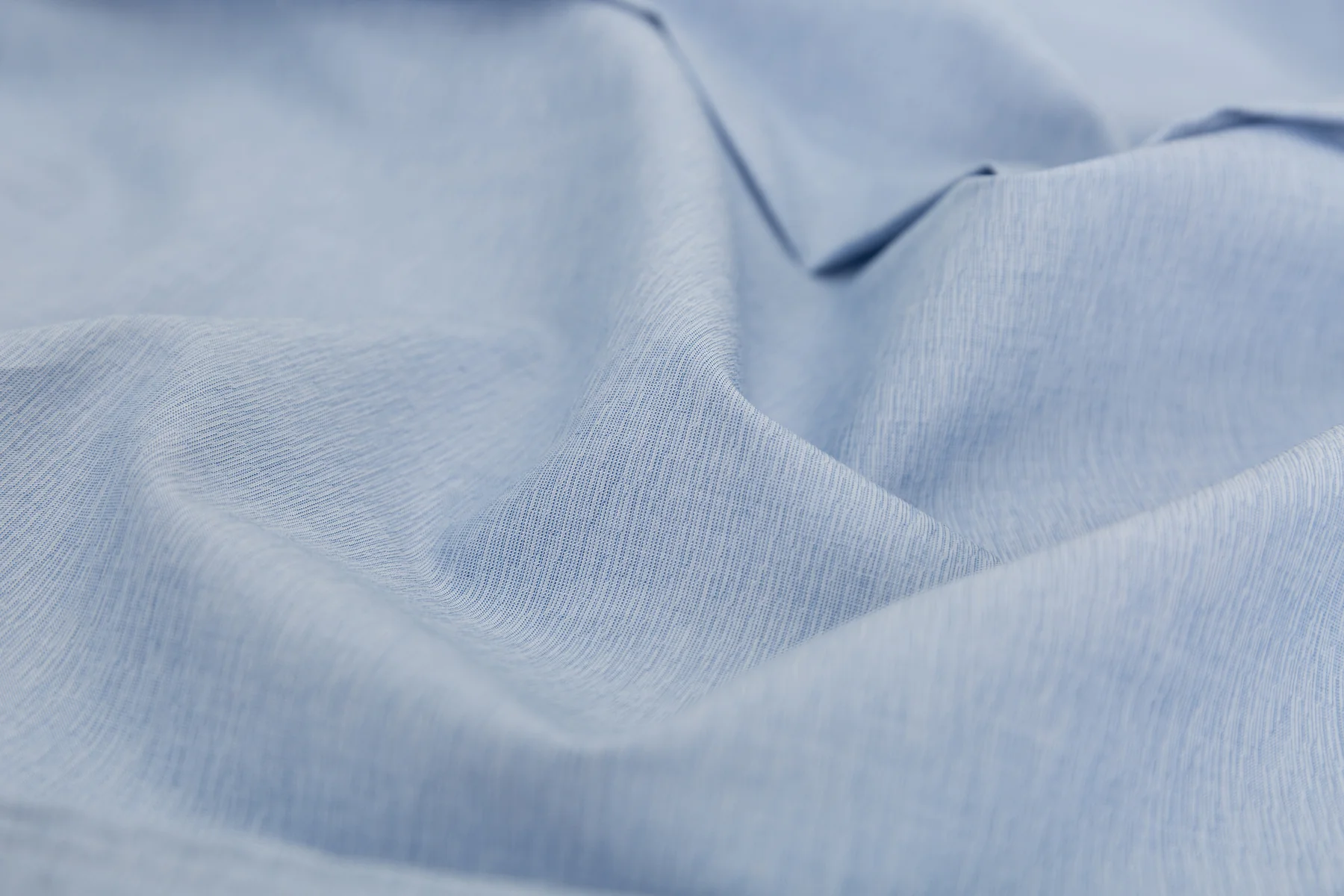
Branding
Embroidered logos hold better than print across industrial washing cycles. Woven labels on collar and hem add a product-quality signal that matters in client-facing roles.
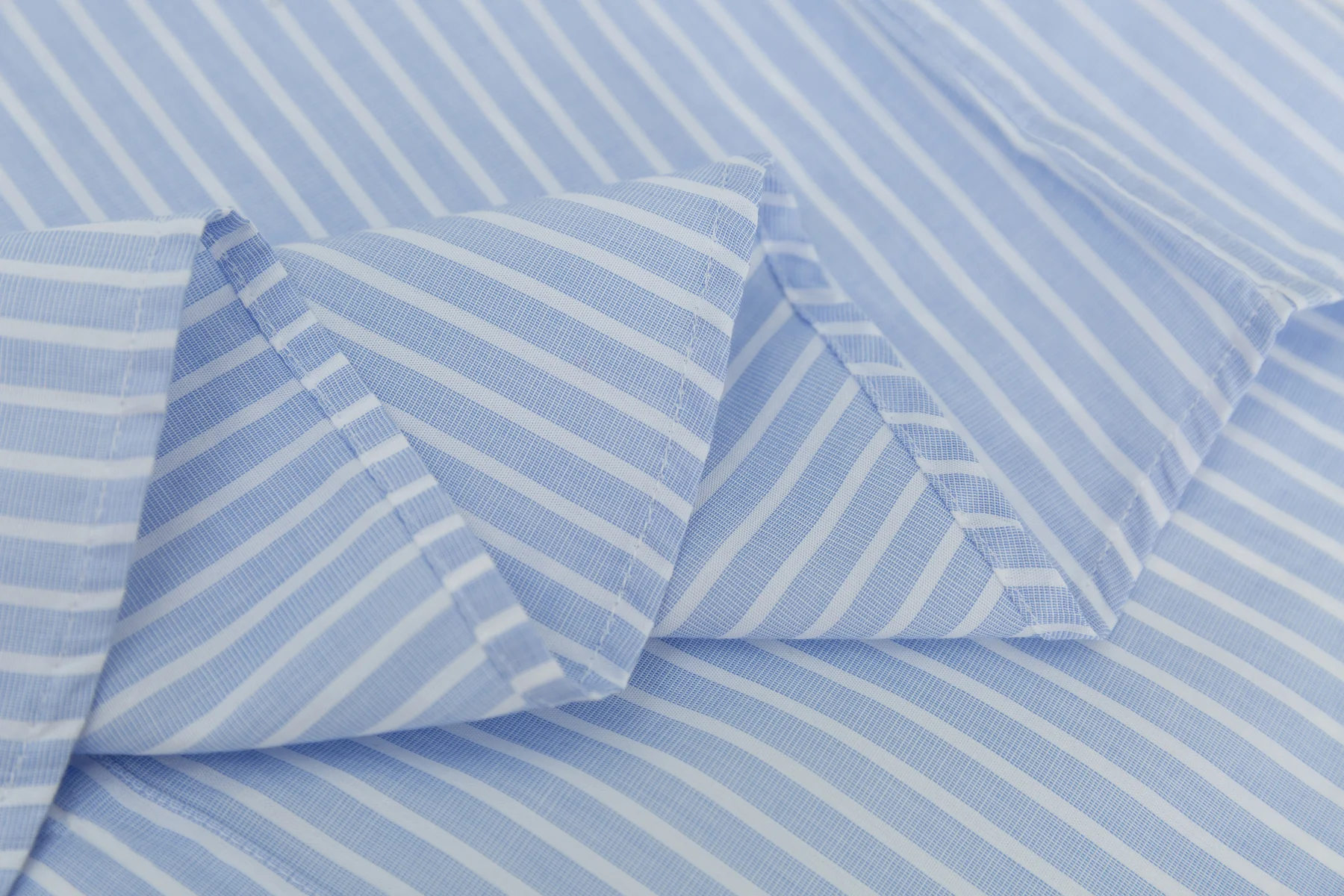
Lead time reality
A well-run Chinese shirt manufacturer delivers bulk production in 20–35 days after sample approval. Faster is possible but requires premium planning. Slower usually means capacity issues worth investigating.
See BERKAM's dress shirt program or send an RFQ.
Questions buyers ask
What should buyers confirm before placing a bulk order?
Confirm the garment scope, fabric direction, size chart, branding method, MOQ, sample approval process, and delivery timeline before production starts.
How should this article be used in a real project?
Use it as a planning checklist, then confirm the final specification and commercial terms against the actual team, fabric, quantity, and delivery requirements.