
Industry Insights
Hotel Front Desk Uniforms: Reception, Concierge & Doorman Teams
Plan hotel front desk uniforms by role. Coordinate reception, concierge and doorman attire with one visual identity, comfortable fit and repeatable sizing.
Hotel front desk uniforms do more than identify a department. Reception, concierge and door teams meet guests at different moments, move in different ways and may work in different conditions. A strong program gives those roles one visual identity while letting each garment answer the work of the shift.
Quick answer: plan hotel receptionist uniforms, concierge looks and doorman layers as a coordinated wardrobe. Set shared colors and details first, then adapt silhouette, layers and practical features by role.
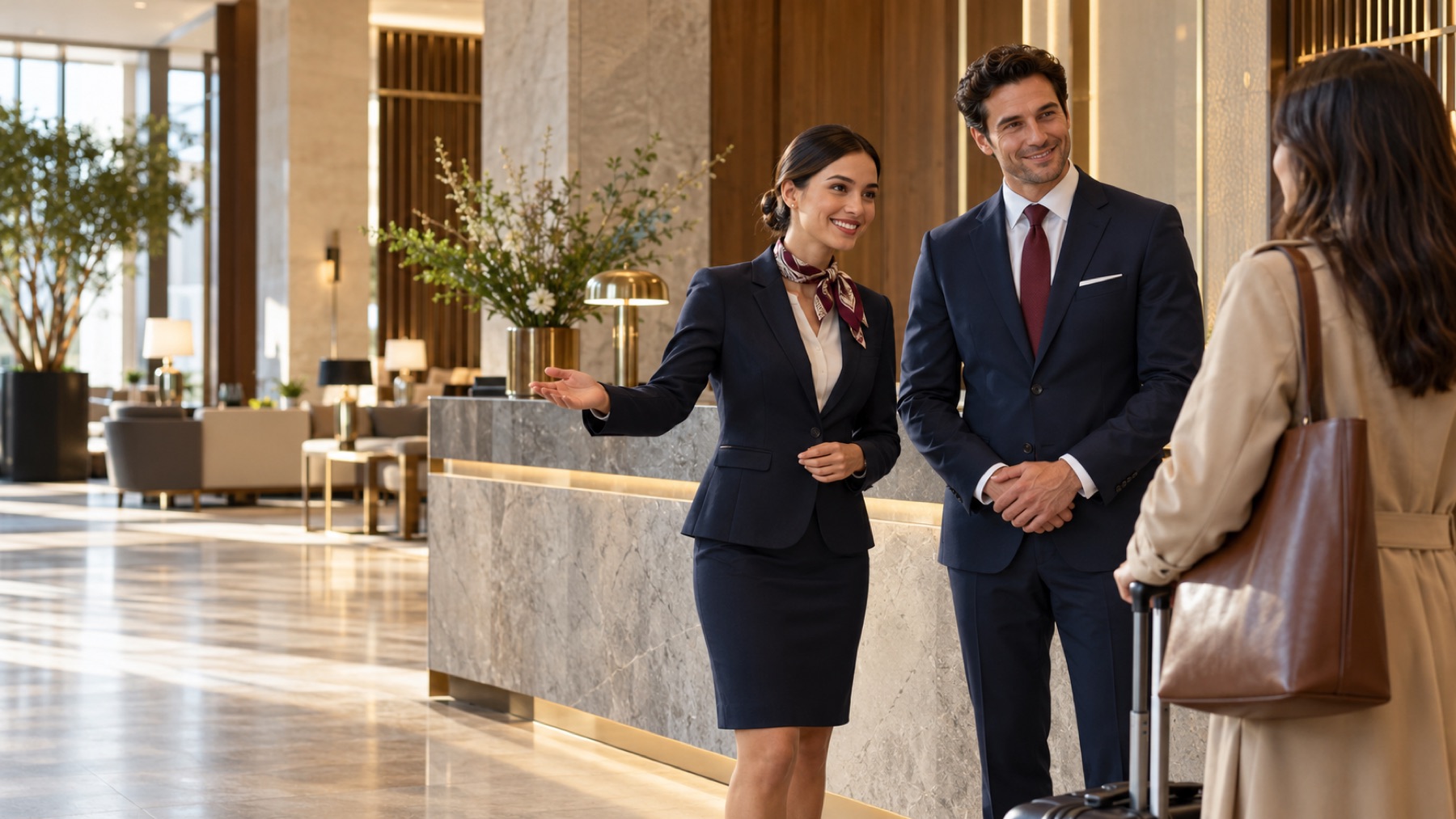
Start with the guest journey
Before selecting a jacket or accessory, list each point where staff interact with a guest. That gives the hotel and its uniform supplier a useful framework for deciding what should look the same and what needs to differ.
| Guest-facing role | Uniform planning focus |
|---|---|
| Reception and front desk | A polished, comfortable base outfit for standing, sitting, reaching and repeated guest interactions. |
| Concierge | A recognizable guest-service look that allows movement between the desk and other areas of the property. |
| Doorman and door team | Clear identification and a layer plan for the actual indoor or outdoor conditions at the entrance. |
| Front-office supervisors | A visible distinction, such as a jacket, vest or accessory, that still belongs to the same wardrobe. |
Build one visual language with role-specific pieces
Choose a restrained base palette, then decide which details repeat across the team: button color, piping, lapel treatment, trim, scarf or tie. The base palette connects hotel uniforms across the lobby, while role-specific pieces help guests recognize who can assist them. Avoid using accessories as the only identifier if they make a full shift less comfortable.
A front desk uniform might pair a tailored jacket with a shirt or blouse and trousers or a skirt. A concierge may use the same color story with a more flexible layer. Hotel doorman uniforms can include an outer layer if the entrance conditions require it. Decide these combinations with the actual work locations in mind, rather than designing from a mood board alone.
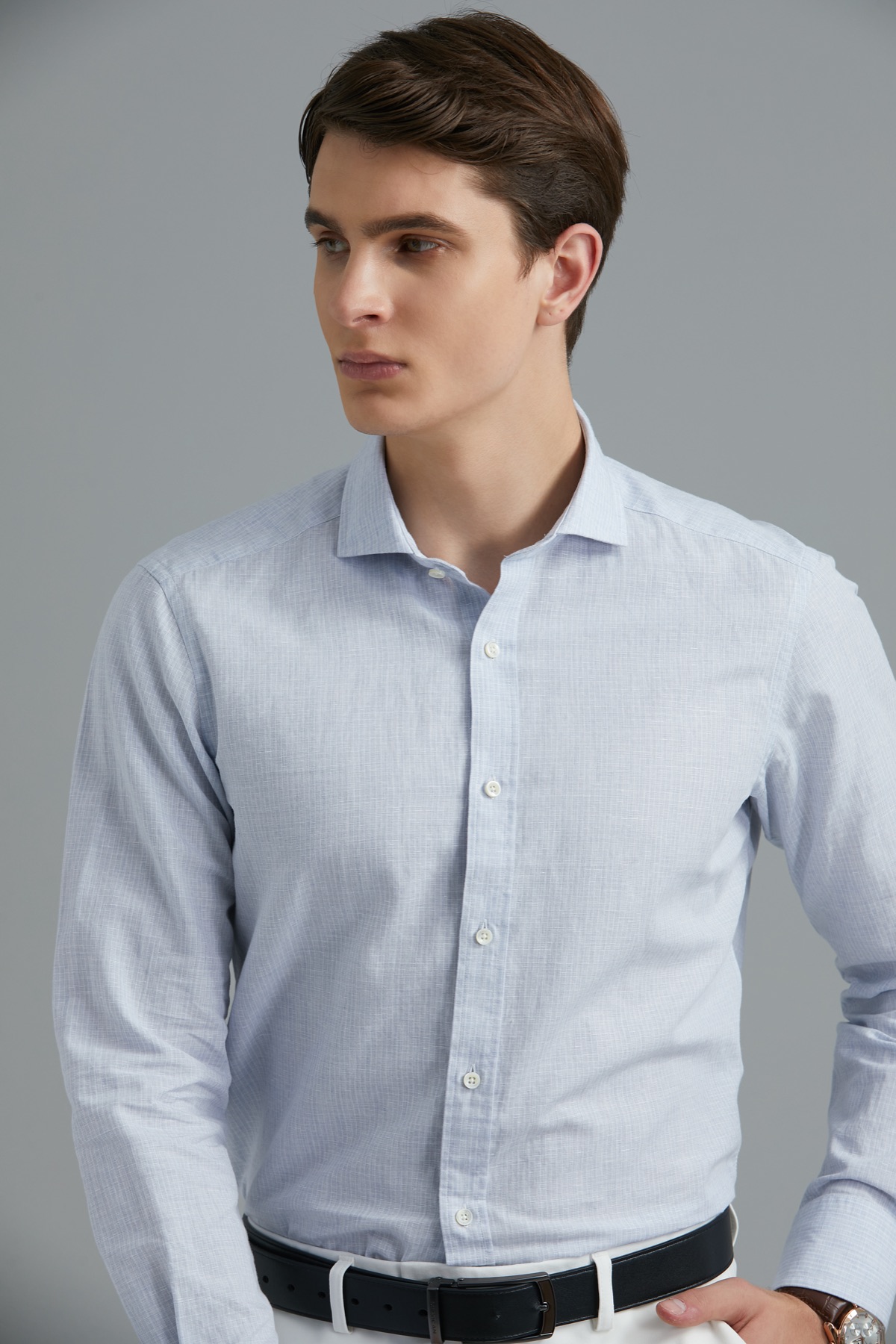
Check fit through a full shift
Front desk staff may alternate between standing, sitting, turning, reaching for documents and walking around the lobby. Fit a sample in those positions. Check jacket closure, sleeve length, shirt collar comfort, trouser or skirt movement and whether an accessory stays in place. If the hotel uses name badges or other identifiers, decide where they belong before finalizing pocket and lapel details.
For concierge and door teams, consider how often staff leave the desk, whether they handle luggage or open doors, and what outerwear or seasonal pieces they need. Those details affect cut, layering and storage. The same fabric or silhouette will not automatically suit every task, even when the colors match.
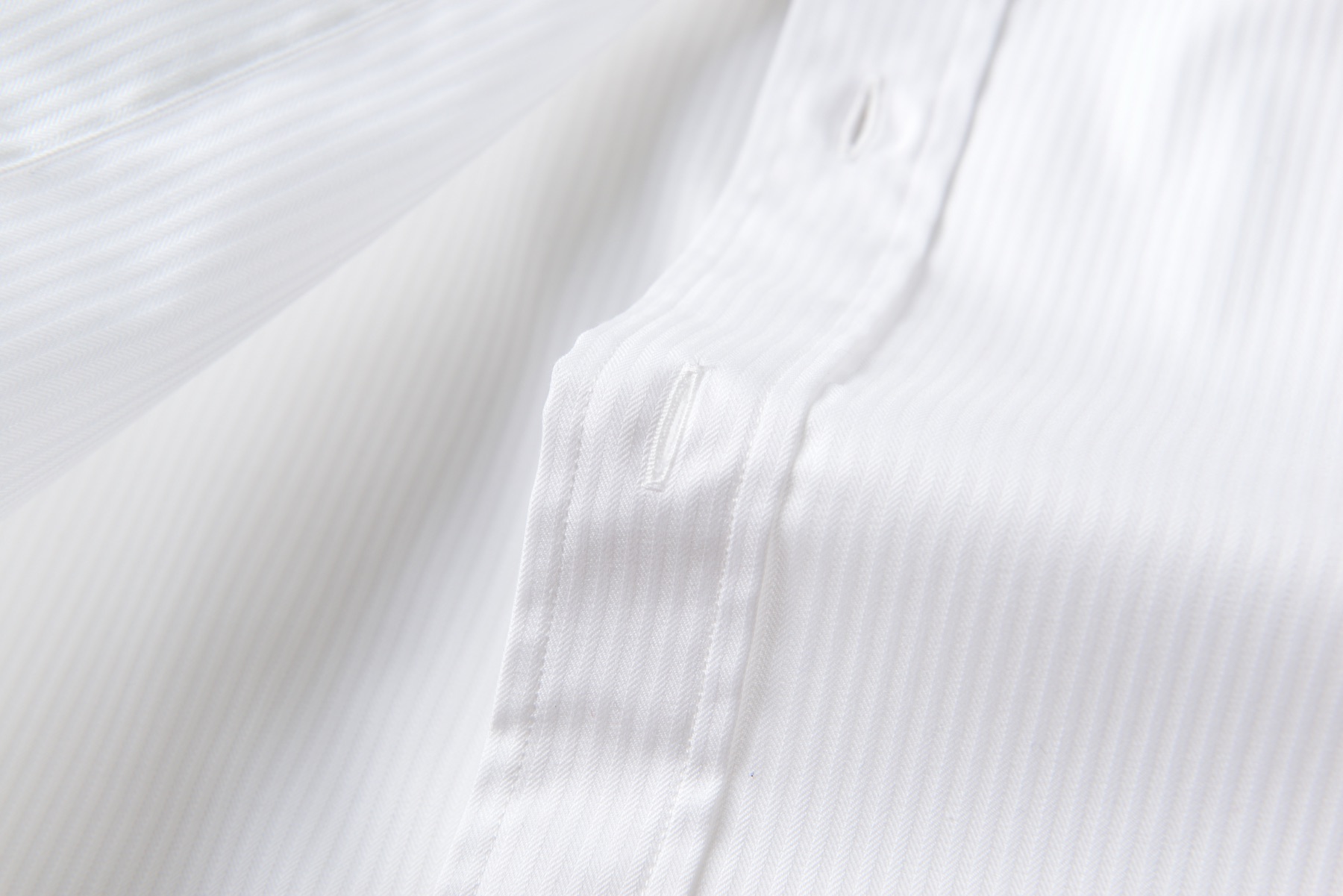
Make the fit program easy to repeat
Staff turnover, seasonal hiring and replacement orders make repeatability part of the uniform design. Agree whether the size chart uses body measurements or finished-garment measurements, keep a sample or fit record, and record each wearer’s assigned size and any approved adjustment. For multi-property groups, use consistent style codes and color references so a new order can be traced to the right version.
Some corporate suit programs can combine prepared size options with selected alterations, while a made-to-measure route can support people whose measurements sit outside the available fit blocks. BERKAM’s business suit program explains how ready stock, alterations and measurement-based service can work together; its custom suit manufacturer guide outlines the B2B planning choices.
A short brief for hotel front desk uniforms
- List reception, concierge, doorman and supervisor roles with wearer counts.
- Describe the locations, movement and indoor or outdoor conditions for each role.
- Set a shared palette and identify which garments or accessories vary by role.
- Share the size chart, measurement method, sample approval steps and alteration rules.
- Specify labels, name badges, packaging, replacement quantities and the target schedule.
- Ask the supplier to confirm what is included in the project quote and what requires a separate approval.
Frequently asked questions
What should a hotel front desk uniform include?
It depends on the hotel’s brand and duties. A typical brief considers a jacket or coordinated top, shirt or blouse, trousers or skirt, and optional accessories such as a tie or scarf. Final choices should be tested for comfort and movement during a real shift.
How should hotel concierge uniforms differ from reception?
Keep shared colors or details for recognition, then adapt the garment and layers to how often the concierge moves around the property. A modest jacket or accessory change can distinguish the role without creating a separate visual system.
Can one uniform work for reception and doormen?
A shared palette can connect the teams, but an indoor desk outfit may not provide the layers a door team needs. Specify the locations and conditions, then sample each role’s version separately.
For a broader multi-department view, see BERKAM’s hotel uniform overview. Our hotel housekeeping uniforms buyer’s guide covers room-attendant and cleaning-team planning. To discuss a specific front desk, concierge or door-team brief, share the role list and project requirements.