
Short answer: a supplier has a credible quality-control process for bulk corporate apparel when it can show what is checked, when it is checked, which approved standard is used, how results are recorded, and what happens when a check fails. A “100% quality” slogan is not evidence by itself.
For a team order, quality means more than sewing appearance. Buyers need the delivered garments to match the approved fabric and colour direction, construction, measurements, branding placement, size breakdown, labels, and packing instructions. The exact inspection plan should reflect the garment, use conditions, order size, and agreed specification.
Define quality before comparing suppliers
Write down the characteristics that matter for the programme. For shirts, that may include collar shape, sleeve length, button attachment, logo position, and measurement points. For suits, include jacket balance, trouser proportions, lining and trim details. For workwear, consider pocket construction, seam strength, movement, and any job-specific requirement. Separate critical requirements from preferences so suppliers can quote and inspect against the same brief.
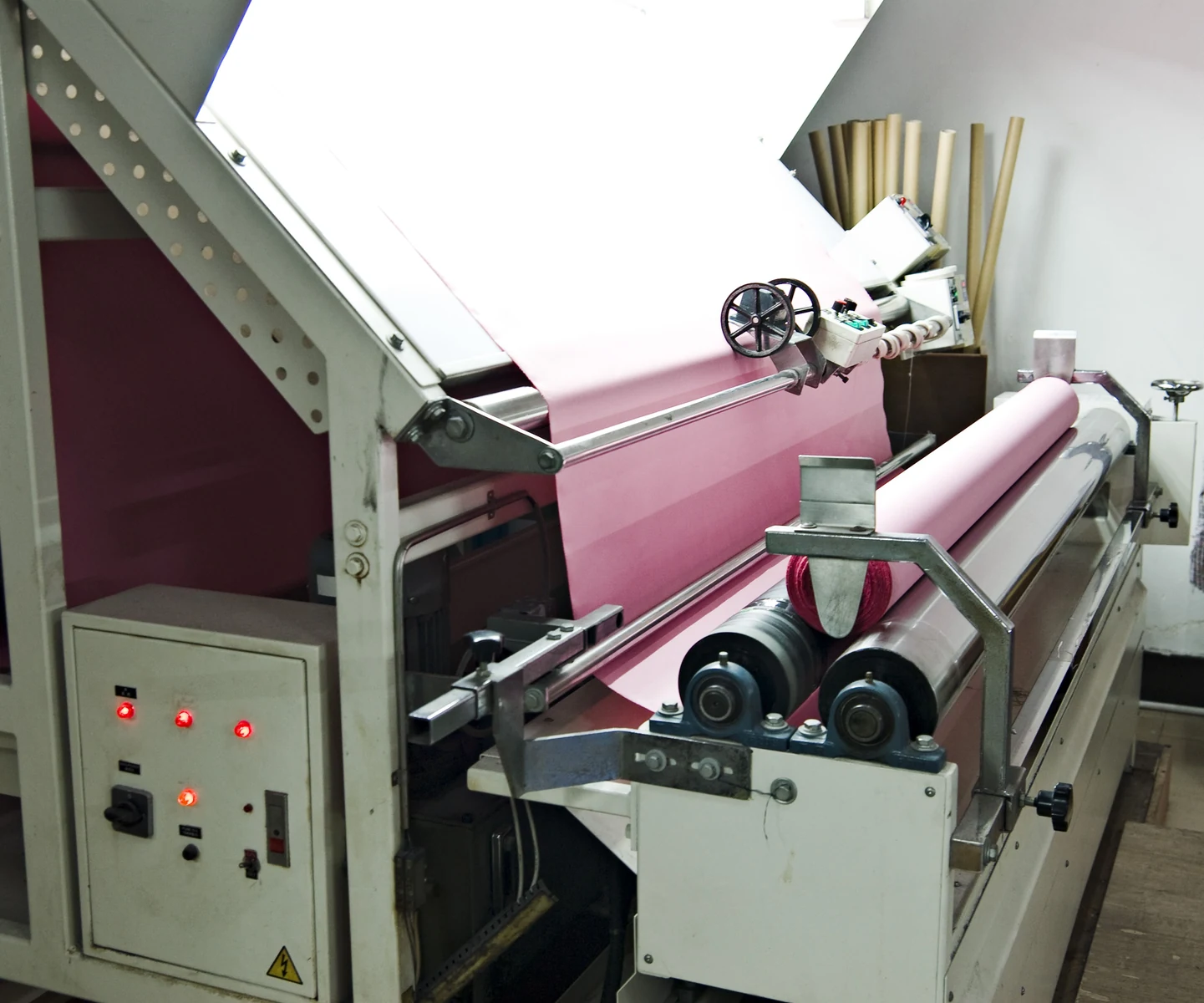
Look for controls at four points in production
- Materials: identify the approved fabric, colour reference, trims, labels, and logo artwork. Ask how incoming lots are checked and how substitutions are raised for approval.
- Pre-production: use an approved physical sample or signed specification as the production reference. Record changes after fitting so cutting does not proceed against an outdated version.
- In process: agree which measurements, construction details, and branding positions are checked during production, by whom, and how non-conforming work is contained.
- Final and packing: define the inspection method, size and quantity reconciliation, presentation checks, carton labels, and how any defect or short shipment is documented before dispatch.
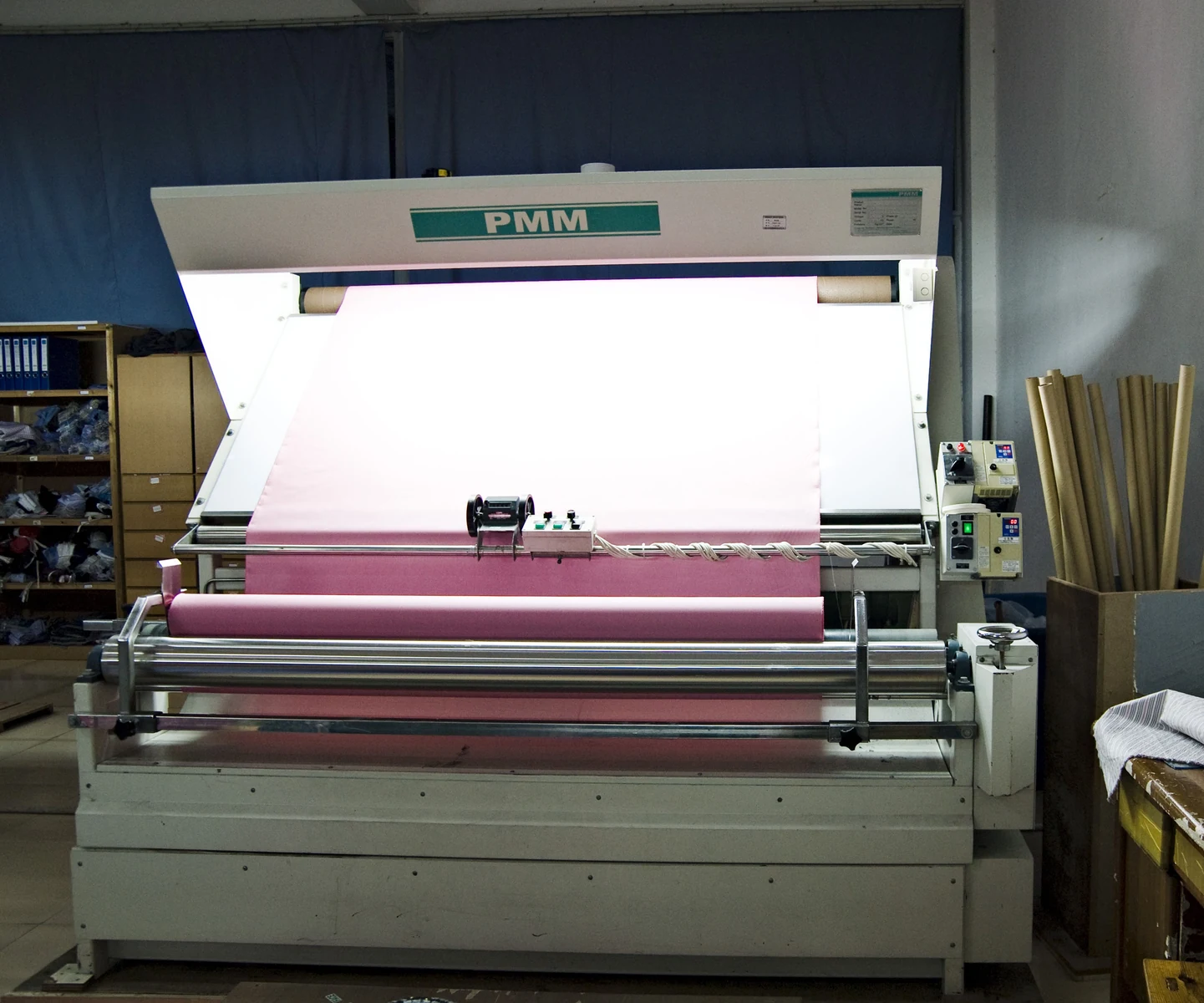
Ask for evidence, not adjectives
| Ask the supplier | Useful evidence | Warning sign |
|---|---|---|
| What is the approved production standard? | Versioned sample, spec sheet, measurement chart, and dated approval record | Instructions exist only in chat or from memory |
| How are measurements checked? | Named measurement points, a stated method, and project-agreed tolerances | “We follow the size label” with no measuring method |
| How are defects handled? | Hold, rework or replacement path, responsibility, and close-out record | No owner or corrective-action record |
| How is the order traceable? | Links between purchase order, material references, sample, inspection, and carton list | Bulk goods cannot be reconciled to the approved version |
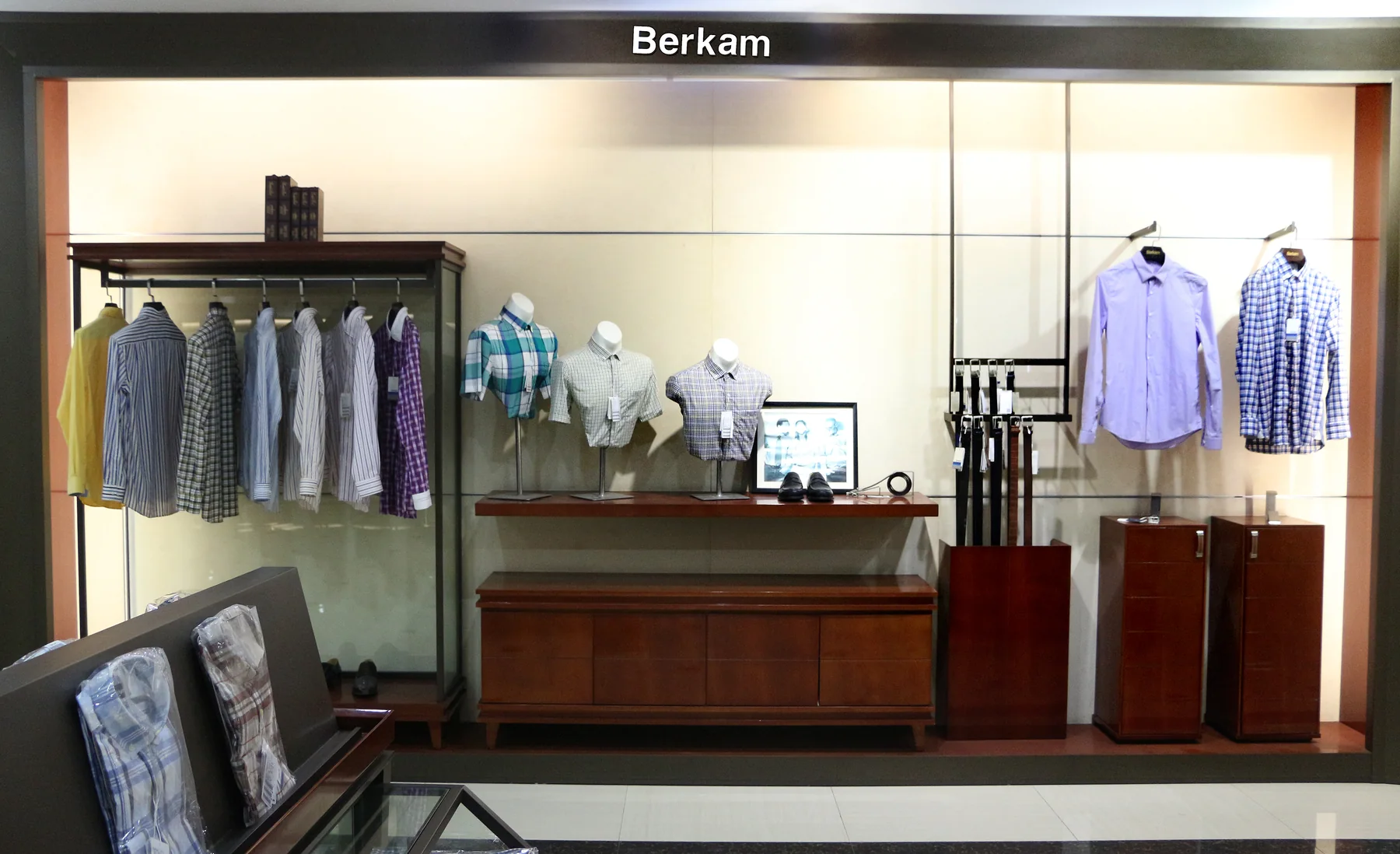
Choose an inspection plan that fits the order
Some buyers use 100% visual checks for selected characteristics; others use a statistically defined sample plan for lot acceptance. Neither phrase is complete without scope. If an AQL plan is used, state the applicable standard and edition, inspection level, lot definition, defect classes, and acceptance numbers in the purchase documents. For regulated protective garments or required performance claims, request the specific test evidence and verify it against the intended market and use; a routine visual inspection does not establish protective performance.
Keep the approval trail usable for reorders
Retain the approved sample photos, measurement chart version, fabric and colour references, trim and branding files, inspection notes, packing rules, and any approved deviation. This gives a later bulk order a comparison point and makes a change visible instead of silently becoming the new standard.
How to verify a 28-point QC claim
BERKAM’s product information states that a 28-point inspection process is applied to every order. The overview does not name the individual checkpoints, so buyers should request the current, product-specific checklist and confirm the measurement points, tolerances, inspection timing, records, and defect-resolution steps in writing. The number of checks alone does not define their scope or guarantee a particular outcome.
How BERKAM fits into the evaluation
BERKAM describes a corporate clothing workflow that includes specification review, physical sample approval, bulk production, a 28-point QC process, and delivery. Buyers should use the same evidence questions above when reviewing BERKAM or any other supplier, then confirm the inspection scope and commercial terms for the actual project. See the customization process, factory information, or share a project brief.
Editorial scope: this guide provides a supplier-evaluation framework, not a third-party audit or ranking. A supplier’s controls should be verified against the current order and approved documents.
Questions buyers ask
Does a 28-point QC process guarantee a defect-free order?
No inspection count guarantees a defect-free order. Agree on the inspection scope, acceptance criteria, records, and resolution process for the actual garments before production.
What is included in BERKAM’s 28-point QC process?
BERKAM’s product information states that a 28-point inspection process is applied to every order, but does not publish the individual checkpoints. Ask for the checklist and acceptance criteria that apply to your products.
What evidence should a corporate apparel supplier provide for quality control?
Ask for the written inspection stages, approved sample and specification references, measurement method and tolerances, inspection records, defect handling process, and packing checks relevant to your order.
Is final inspection enough for a bulk uniform order?
No. Final inspection can find problems but cannot reliably prevent them. Agree on incoming-material checks, a pre-production approval point, in-process checks, and final inspection before production starts.
Should buyers request an AQL inspection?
If AQL sampling is part of the order, put the sampling standard, inspection level, defect classes, and acceptance numbers in writing. AQL sampling is a decision rule for a lot; it is not a promise of zero defects.