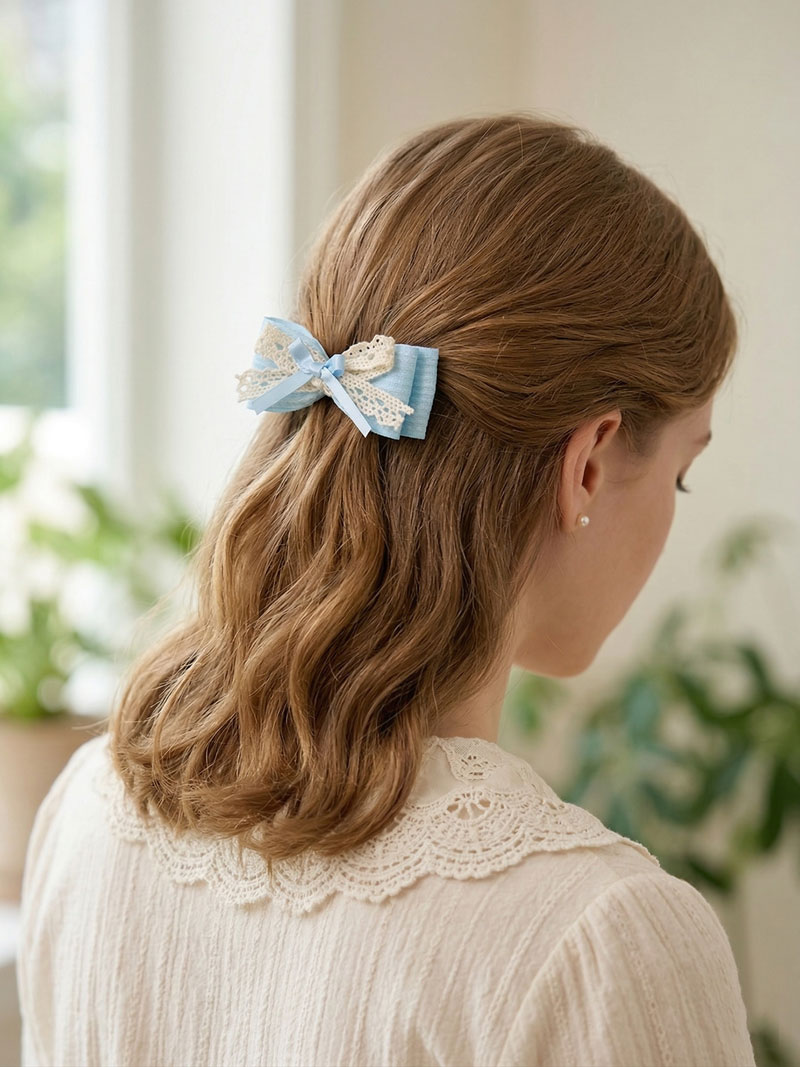
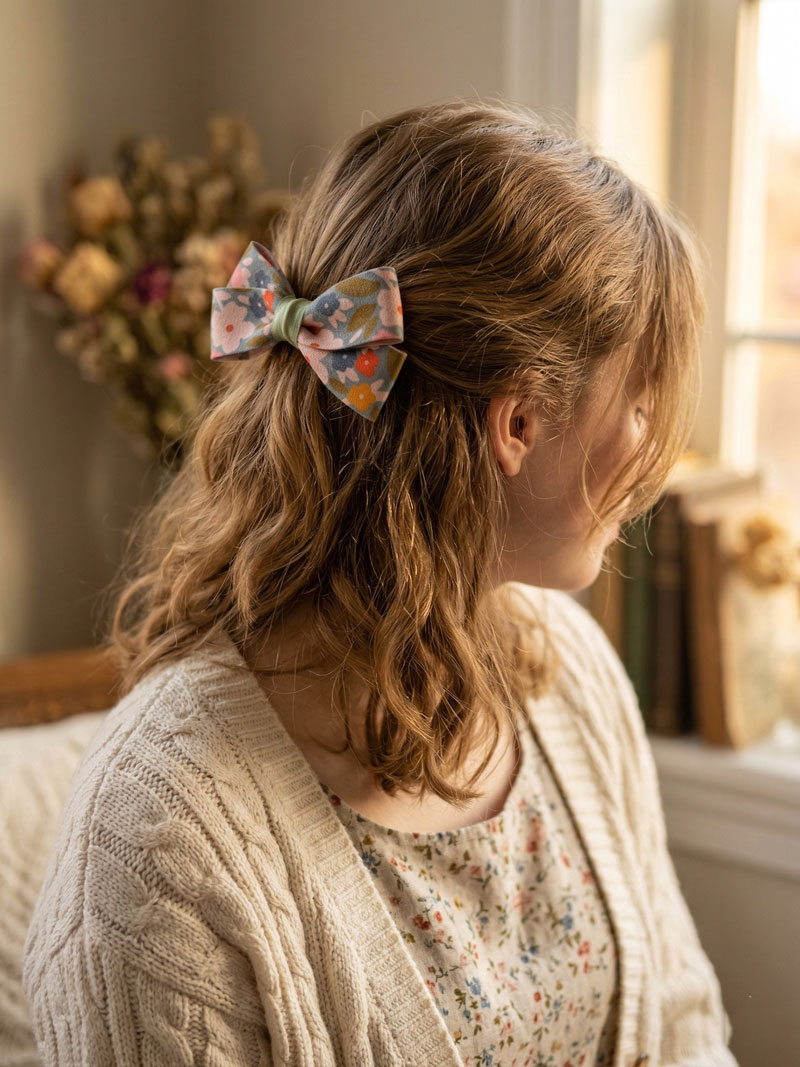
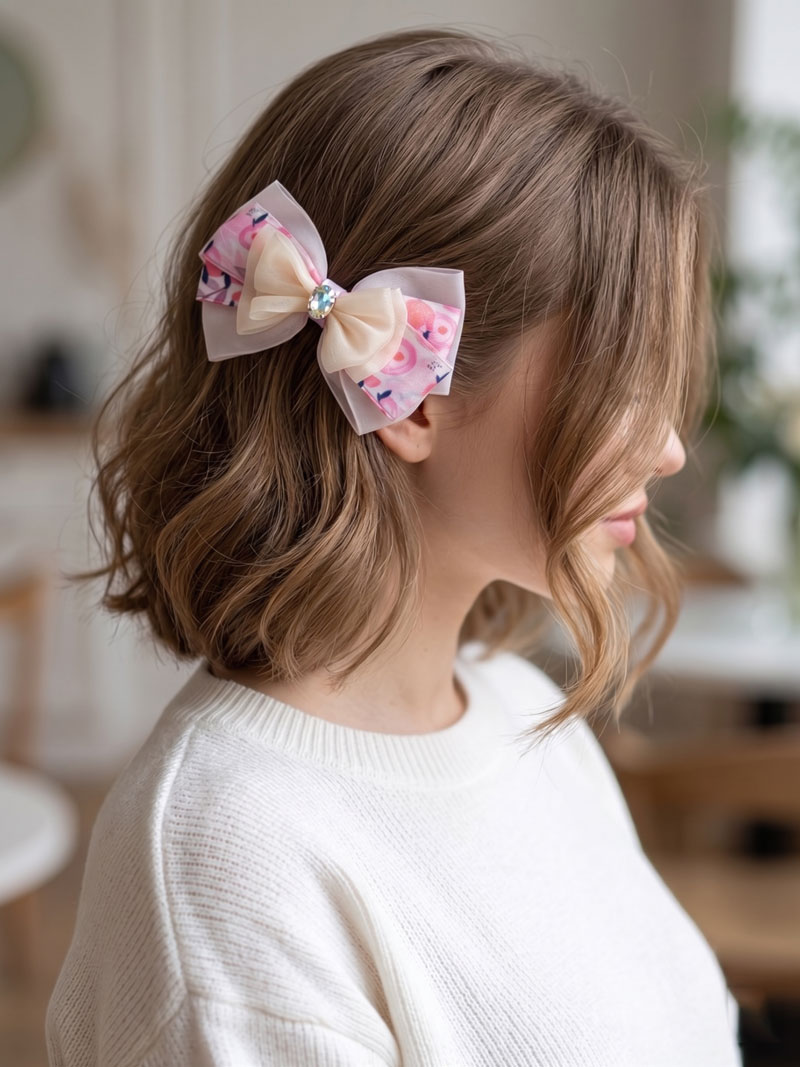
The Coquette Aesthetic Hair Guide — Bows, Ribbons, and How to Wear It in 2025
The coquette aesthetic peaked somewhere around 2023 and the internet declared it over several times since. It’s still here. Softer now, more wearable, less about performing sweetness and more about something that’s genuinely harder to define — a kind of deliberate femininity that doesn’t apologize for itself.
Hair accessories are where this aesthetic does most of its work. A silk bow, a lace clip, a ribbon tied in your hair — these are small enough to try without committing to a whole wardrobe shift, which is probably why coquette hair outlasted coquette fashion.
Here’s what it actually looks like in 2025, and how to do it without looking like a mood board.
What Coquette Hair Actually Is (vs. What People Think It Is)
The TikTok version was maximalist: massive satin bows in bright pink, multiple ribbons, high ponytails, the whole thing screaming "hyper-feminine." That was one moment of the aesthetic. It wasn’t the full picture, and it’s not where things are now.
The 2025 version is subtler. It’s a chiffon bow instead of stiff satin. Blush or ivory instead of hot pink. One piece instead of five. The underlying sensibility is the same — a conscious embrace of softness and femininity — but the execution has quieted down.
Think: a single blushing-rose chiffon bow on a half-up style, or a lace clip behind the ear. Not sweet in the performative sense, but soft in the way that’s become a quiet counter-statement to the relentless practicality of most modern styling.
The Core Pieces
Chiffon bows: Chiffon is the right fabric for coquette hair in 2025 — it moves, it drapes, it has a softness that satin doesn’t. A chiffon bow in blush, rose, or ivory reads as considered rather than costume-y. Wear on a half-up style or at the end of a loose braid.
Lace clips: Small lace clips placed near the temples or behind the ear. The lace adds texture without volume — it’s the quieter version of the aesthetic, for days when a bow feels like too much. Look for pieces where the lace has actual structure and the hardware is minimal.
Silk ribbon: A narrow silk ribbon loosely tied on a ponytail or low bun. The coquette version leaves the ends long, letting them fall. Less architectural than the old money bow, more romantic.
Crystal details: The aesthetic has room for embellishment, but it has to be used sparingly. A bow with subtle crystal accents — like scattered dots rather than a field of rhinestones — sits within the coquette register without tipping into bridal or pageant territory.
The Palette
Coquette hair in 2025 runs in a specific range:
Working: Blush, rose, ivory, pale lavender, powder blue, soft peach. The de-saturated versions of all of these — dusty rather than bright.
Occasionally: White (riskier, can read as very deliberate), pale yellow (spring-specific), nude/ecru.
Less so right now: Hot pink and bright red (peak TikTok coquette, now overexposed), very dark colors (moves the aesthetic toward old money or goth depending on execution).
The connecting thread is softness. If the color reads as soft, it’s probably in the palette.
How to Wear It Without Looking Like a Mood Board
The problem with aesthetic-coded dressing is that doing it all at once reads as costume. No one who genuinely moves in this aesthetic wears a chiffon bow AND lace clips AND a silk ribbon AND crystal pins at the same time. They wear one thing, well.
The working formula: One coquette accessory + a look that’s otherwise composed and current. A blush chiffon bow on a half-up style with a simple contemporary outfit does the work. Adding four more accessories to that doesn’t make it more coquette — it makes it more Halloween.
Let the hair be simple. The accessories carry the aesthetic; the hair underneath should be clean and intentional without competing. Loose waves or straight hair, half-up or low ponytail. The complexity is in the piece, not the style.
Don’t explain it. The coquette aesthetic works when it feels like a personal choice rather than a statement. A bow in your hair because you like how it looks — not because you’re participating in a trend. That confidence in the choice is part of what makes it work.
For Different Hair Types
Fine hair: The chiffon bow is your best option — the fabric is light enough that it doesn’t overwhelm fine hair, and it has enough movement to make the bow look intentional rather than drooping. Avoid crystal-heavy pieces, which add weight that fine hair has trouble supporting.
Thick hair: The aesthetic actually lends itself well to thick hair. A wide chiffon or organza bow provides enough visual mass to be proportional. Go bolder with the bow size — the understated version can get lost.
Short hair: A small lace clip placed behind the ear or at the side is the most natural fit. It reads as an accessory detail rather than a hairstyle in itself, which is the right register for shorter cuts. Avoid large bows on very short hair, which creates a proportional imbalance.
Curly hair: Soft bows look particularly beautiful against curly texture. The contrast between the structured piece and organic curl pattern is one of the best visual combinations in this aesthetic. Keep the placement deliberate — mid-head or at a pulled-back section.
[Browse our chiffon and lace bow collection →]
Frequently Asked Questions
What is the coquette aesthetic in hair?
The coquette aesthetic in hair centers on soft, deliberately feminine accessories — primarily ribbon bows, lace clips, and chiffon pieces in blush, ivory, and pale rose tones. The 2025 version is quieter than the TikTok peak: one carefully chosen piece rather than multiple accessories stacked together, and fabric quality over size or brightness.
What color bow is coquette?
Blush, rose, ivory, powder blue, and pale lavender are the core coquette palette in 2025. De-saturated versions of these — dusty rather than bright — are more wearable and less trend-coded. Avoid very bright or saturated pinks, which read as the earlier, more maximalist version of the aesthetic.
Is the coquette aesthetic still in style in 2025?
Yes, in a more evolved form. The initial TikTok-driven maximalism has settled into something softer and more lasting — a genuine design sensibility around conscious femininity rather than a performance of sweetness. Hair accessories remain the most accessible entry point because they’re easy to try without committing to a wardrobe overhaul.
What is the difference between coquette and cottagecore hair accessories?
Coquette hair accessories tend to be more refined and structured — silk bows, lace clips, crystal details in blush and rose tones. Cottagecore accessories are softer, more naturalistic, and more casually worn — fabric florals, chiffon in organic colors, accessories that look like they were tied in a meadow. The palettes overlap (both use blush and ivory) but the overall register is different: coquette is deliberately feminine; cottagecore is deliberately natural.
Can you wear coquette hair accessories to work?
Yes, in most business-casual environments. A small lace clip placed behind the ear or a narrow chiffon bow in ivory or blush on a half-up style is appropriate in most offices. The key is restraint — one piece, positioned sensibly, as part of an otherwise professional look. Very large bows or multiple accessories together pushes outside the professional register.